Introduction: Gaming as a Cultural Phenomenon
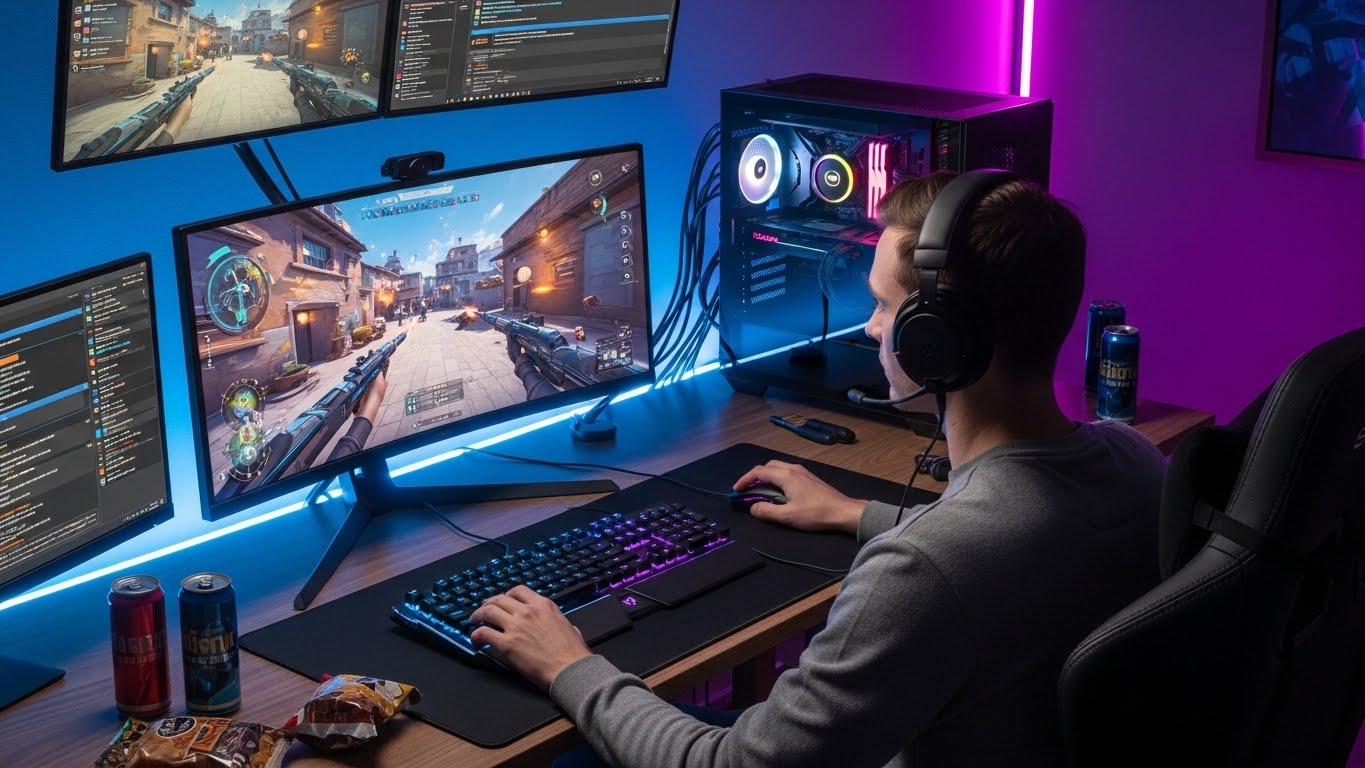
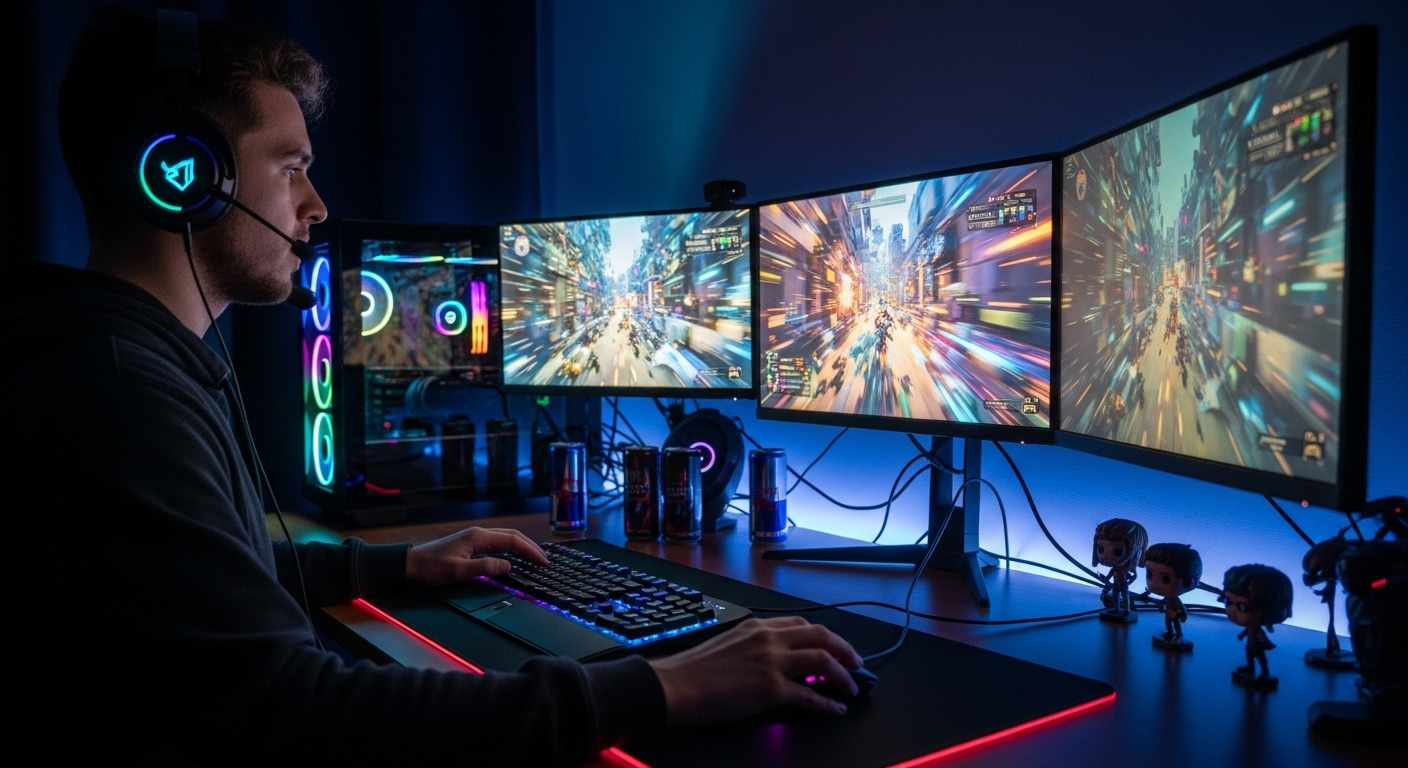
In the 21st century, gaming is more than just a hobby. It’s a way of life, a cultural movement, and an integral part of entertainment worldwide. What started as a niche interest in the 1970s has grown into a multibillion-dollar global industry that touches nearly every aspect of society. From casual mobile games to competitive esports tournaments, gaming has become a pervasive force. It influences social trends, drives technological innovation, and provides countless hours of entertainment for millions of people across the globe. In this blog post, we will explore the evolution of gaming, its psychological and social benefits, and how it has shaped our digital world. We will also take a look at how gaming continues to transform and its potential future.
The Early Days: The Dawn of Video Games
The story of gaming begins in the 1950s and 1960s with early experiments in computer graphics and interactive play. The first known video game, Tennis for Two, was created by physicist William Higinbotham in 1958, and it resembled a rudimentary form of tennis. However, the modern era of gaming began in the early 1970s with the release of Pong, the first commercially successful arcade game. Developed by Atari’s Nolan Bushnell, Pong introduced people to the concept of video games as a form of public entertainment. It was simple: players control paddles to bounce a ball back and forth, but it captured the imagination of millions and opened the door to the gaming industry.
Throughout the 1970s and 1980s, arcade games like Space Invaders and Pac-Man became iconic. The gaming industry exploded in popularity as arcade halls and bars became the go-to destinations for entertainment. Video games became a mainstream phenomenon, and soon after, home consoles began to emerge. The Atari 2600, released in 1977, made it possible to play video games at home, and the Nintendo Entertainment System (NES), introduced in 1985, changed the face of gaming forever. Titles like Super Mario Bros., Donkey Kong, and The Legend of Zelda captured the hearts of players and introduced them to expansive worlds and characters that are still beloved to this day.
The Technological Revolution: From 2D to 3D Gaming
The 1990s ushered in a new era of gaming with the advent of 3D graphics. The arrival of the Sony PlayStation in 1994 marked a significant shift in the gaming world. With more powerful hardware, games could now feature detailed 3D environments, giving players a sense of immersion that had never been seen before. The introduction of games like Gran Turismo and Final Fantasy VII demonstrated the power of 3D graphics and storytelling in games.
The 1990s also saw the rise of the PC gaming revolution. Computers were increasingly powerful, and the development of graphics cards made it possible to experience rich, immersive worlds on personal computers. Games like Doom, Warcraft, and StarCraft showcased the potential of multiplayer gaming, paving the way for the online gaming experience that would come to define the next era of gaming.
The turn of the millennium brought further advancements in technology. The launch of the Xbox by Microsoft in 2001 and the PlayStation 2’s capabilities pushed the boundaries of what video games could do. The next few years saw the introduction of even more innovative gameplay mechanics and new genres, including open-world games like Grand Theft Auto III, which offered players unprecedented freedom to explore virtual worlds.
The Rise of Online Gaming: Connecting Players Around the World
The late 1990s and early 2000s marked the beginning of online gaming, changing the way players interacted with each other. Multiplayer games like Quake and Unreal Tournament allowed gamers to connect to the internet and compete against others in real-time. This marked a major shift from traditional single-player games and opened up the idea of global competitions and digital communities.
The 2000s witnessed the rapid growth of online multiplayer games. One of the most influential games to emerge during this period was World of Warcraft, which launched in 2004 and became the definitive massively multiplayer online role-playing game (MMORPG). With its expansive world, immersive storytelling, and social features, World of Warcraft attracted millions of players and set the stage for the rise of virtual communities within games.
The Xbox 360 and PlayStation 3 consoles brought online multiplayer gaming to the forefront. Services like Xbox Live and the PlayStation Network allowed players to easily connect with others, forming friendships and rivalries across the globe. Games like Halo 3 and Call of Duty: Modern Warfare ushered in an era of competitive online gaming, where players could join teams, participate in tournaments, and build reputations within gaming communities.
Mobile Gaming: A Revolution in Accessibility
The introduction of smartphones and mobile devices in the late 2000s brought about a massive shift in the gaming landscape. Mobile gaming democratized gaming by making it accessible to people everywhere. Unlike traditional consoles, mobile games could be played anywhere and at any time, opening up gaming to an entirely new audience.
Games like Angry Birds, Candy Crush, and Clash of Clans became global sensations, offering simple yet addictive gameplay that could be played in short bursts. The success of mobile games proved that gaming was no longer just for hardcore enthusiasts. Casual gaming became a mainstream activity, and mobile platforms became a significant revenue stream for developers.
Smartphones, with their touchscreens and motion sensors, also introduced new mechanics and innovative gameplay experiences. Augmented reality (AR) games like Pokémon Go, released in 2016, further expanded the idea of mobile gaming by blending the virtual and real worlds. Players could explore their cities and interact with virtual creatures, demonstrating the potential for gaming to engage with the physical world.
Esports: The Professionalization of Gaming
In the past two decades, gaming has evolved into a legitimate sport in its own right, with the rise of esports. Competitive gaming, where players or teams compete in organized tournaments, has become a global industry. Games like League of Legends, Dota 2, and Overwatch have grown into major competitive events, with millions of viewers watching live streams of professional matches. The growth of esports has made gaming a career for many, with top players earning significant salaries, sponsorships, and fame.
Esports tournaments have become large-scale events, often filling arenas and stadiums with enthusiastic fans. The International, an annual Dota 2 tournament, boasts prize pools worth tens of millions of dollars, attracting the best players from around the world. Esports leagues, like the Overwatch League and League of Legends Championship Series, offer a structured, professional framework for players, coaches, and organizations to compete at the highest level.
The rise of streaming platforms like Twitch and YouTube Gaming has further fueled the esports boom. Gamers can now broadcast their gameplay to a global audience, building their own fanbases and engaging with viewers in real-time. Professional gamers, content creators, and streamers have turned gaming into a full-time profession, with millions of fans following their every move.
The Psychological and Social Benefits of Gaming
While gaming often gets a bad reputation for promoting isolation and unhealthy behaviors, research has shown that it can have several psychological and social benefits. Games challenge players to think critically, solve problems, and make quick decisions, improving cognitive functions like memory, concentration, and reaction time. Action games, in particular, have been found to improve hand-eye coordination, spatial awareness, and multitasking abilities.
Gaming can also provide emotional benefits. Many players use games as a form of escapism, allowing them to relax and unwind after a stressful day. Role-playing games (RPGs) allow players to experience complex narratives and build emotional connections with characters, providing a sense of fulfillment and empathy. The achievement-based rewards in games, such as leveling up or unlocking new content, also give players a sense of accomplishment and pride.
Socially, gaming fosters connections between players. Online multiplayer games enable players to form communities, build relationships, and work collaboratively towards shared goals. Whether playing a cooperative game with friends or competing in a ranked match with strangers, gaming helps strengthen social bonds and can even provide a support network for people in need of connection.
The Future of Gaming: What Lies Ahead
As technology continues to evolve, the future of gaming looks incredibly exciting. Virtual reality (VR) and augmented reality (AR) are set to revolutionize how games are played. VR offers fully immersive experiences where players can step into virtual worlds, while AR blends the digital world with the real one, offering new ways for players to engage with their surroundings.
The next generation of gaming consoles, such as the PlayStation 5 and Xbox Series X, promises to offer even more immersive, realistic, and expansive gaming experiences, with faster load times, improved graphics, and more complex AI systems. Cloud gaming, which allows players to stream games directly from the internet without needing powerful hardware, is also on the rise, further democratizing access to high-quality gaming experiences.
Artificial intelligence (AI) is another area where gaming is likely to see huge advancements. AI-driven characters, dynamic storylines, and adaptive difficulty levels are already starting to appear in games, creating more personalized and immersive experiences. As AI technology improves, games may become even more responsive to player actions, offering unique and tailored experiences every time.
Conclusion: The Never-Ending Evolution of Gaming
Gaming has come a long way since its humble beginnings in arcades and basements. Today, it’s a cultural force that influences entertainment, social interaction, and technology. From early arcade games to modern multiplayer experiences, gaming continues to evolve, pushing the boundaries of what’s possible.