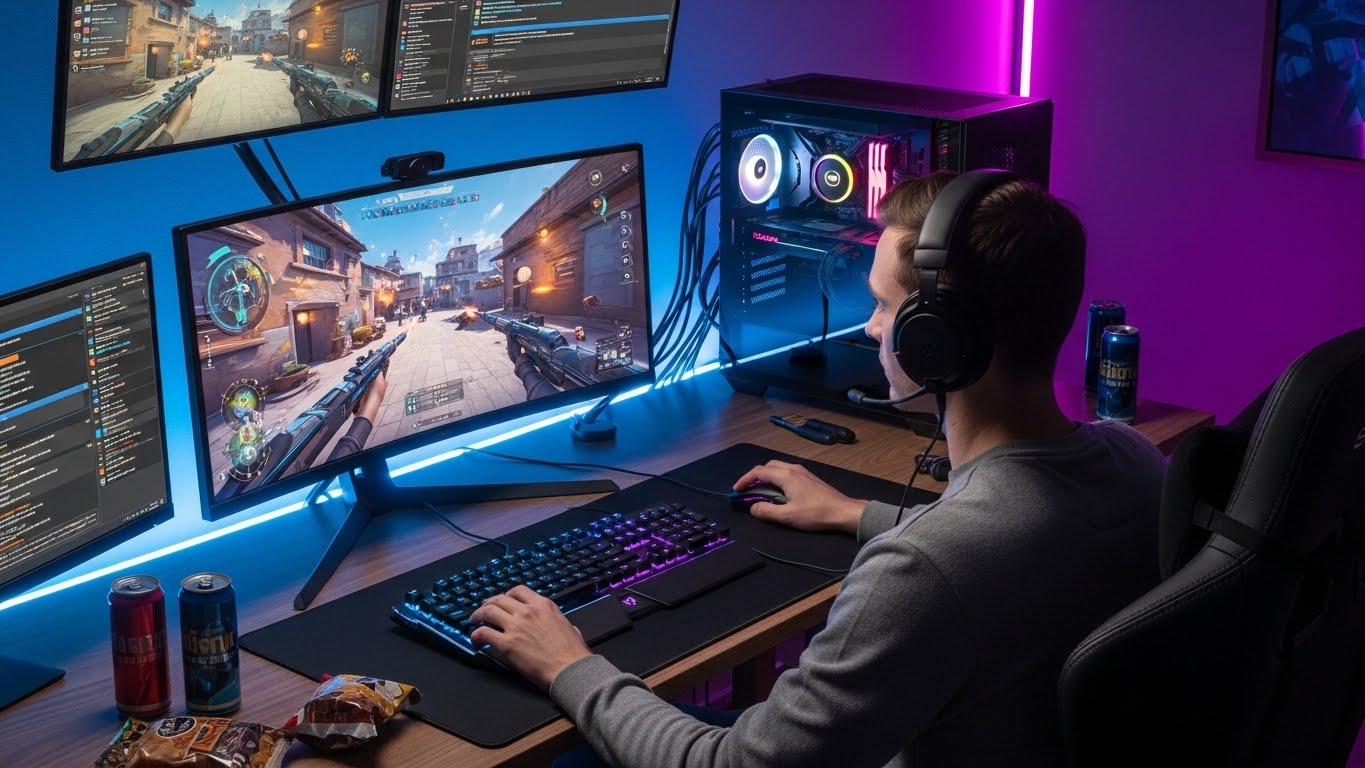

Gaming has evolved far beyond a simple pastime. From pixelated classics to immersive virtual worlds, gaming has become a multi-billion-dollar industry that influences technology, culture, and even social interaction. What was once considered a niche hobby is now a mainstream form of entertainment, offering experiences that rival films, sports, and literature. This blog explores the world of gaming, its technological advancements, cultural impact, and future possibilities.
The Evolution of Gaming
The journey of gaming began with simple arcade machines and home consoles in the 1970s and 1980s. Titles like Pong and Space Invaders captured the imagination of a generation, laying the foundation for interactive entertainment. With the introduction of consoles like the Nintendo Entertainment System and Sega Genesis, gaming shifted from casual amusement to narrative-driven experiences.
The 1990s brought 3D graphics, multiplayer options, and iconic franchises such as Super Mario, Final Fantasy, and The Legend of Zelda. These games introduced players to expansive worlds, complex storytelling, and innovative gameplay mechanics that continue to influence game design today.
The 21st century has seen gaming transition into a global phenomenon. Modern consoles and high-powered PCs enable photorealistic graphics, lifelike physics, and dynamic environments. Online multiplayer platforms connect millions of players worldwide, turning gaming into a social experience. Mobile devices have also made gaming accessible to anyone with a smartphone, expanding the audience far beyond traditional gamers.
The Rise of Esports
Esports, or competitive gaming, has transformed video games into a legitimate sport. Professional tournaments now offer multi-million-dollar prize pools and draw massive audiences, both online and in stadiums. Games like League of Legends, Dota 2, and Counter-Strike have become household names, with professional players achieving celebrity status.
Esports is not just about entertainment; it represents a career path for players, coaches, commentators, and content creators. Universities have started offering scholarships for esports athletes, while brands and sponsors invest heavily in competitive gaming. The rise of esports demonstrates how gaming has matured into a multifaceted industry that combines skill, strategy, and showmanship.
Gaming and Technology
Gaming has always been at the forefront of technological innovation. High-performance graphics cards, powerful processors, and immersive audio systems are now essential for modern gaming experiences. Virtual reality headsets provide players with fully immersive worlds, while augmented reality games like those on mobile platforms bring gaming into the real world.
Artificial intelligence has also enhanced gaming by creating smarter NPCs, dynamic storylines, and adaptive difficulty levels. AI-driven game engines analyze player behavior to deliver personalized experiences, making games more engaging and challenging. The integration of cloud gaming services allows players to access high-quality games on devices with limited hardware, removing barriers to entry and making gaming more inclusive.
The Impact of Gaming on Culture
Gaming has influenced popular culture in profound ways. Video game characters, music, and stories have become iconic, appearing in movies, merchandise, and even fashion. Games often explore themes and narratives that resonate with players, allowing them to experience perspectives they might not encounter in real life.
Streaming platforms and social media have created new forms of entertainment and community around gaming. Streamers and content creators broadcast gameplay, interact with fans, and provide commentary, blurring the lines between gaming and digital entertainment. These communities foster social connections, collaboration, and even charitable initiatives, demonstrating that gaming is more than just a solitary activity.
The Psychology of Gaming
Gaming has significant psychological effects, both positive and negative. Many games improve cognitive skills such as problem-solving, strategic thinking, and hand-eye coordination. Puzzle games, strategy games, and simulations encourage players to analyze situations, plan ahead, and make critical decisions under pressure.
Social games and multiplayer experiences also enhance communication, teamwork, and collaboration. Players develop a sense of achievement, belonging, and identity within gaming communities. However, excessive gaming can lead to negative outcomes such as addiction, social isolation, and disrupted sleep patterns. Maintaining a balance between gaming and real-life responsibilities is essential for a healthy gaming experience.
Storytelling in Games
Modern games have become powerful storytelling platforms. Unlike films or books, video games allow players to actively participate in narratives, making choices that influence the story’s outcome. This interactivity creates a unique sense of immersion and emotional investment.
Role-playing games and open-world titles often feature complex storylines with moral dilemmas, character development, and branching narratives. Players can explore vast virtual worlds, uncover hidden lore, and engage with characters in ways that deepen their connection to the game. This narrative complexity has elevated gaming to a form of art, capable of delivering impactful and memorable experiences.
Indie Games and Innovation
While blockbuster titles dominate the market, indie games are driving creativity and innovation. Independent developers experiment with unique mechanics, artistic styles, and unconventional storytelling that often challenge mainstream norms. Games like Journey, Celeste, and Hades have gained critical acclaim for their originality, emotional depth, and gameplay innovation.
Indie games also empower diverse voices within the gaming industry, providing stories and perspectives that might not appear in large-scale productions. By embracing risk-taking and experimentation, indie developers contribute to the richness and variety of the gaming landscape.
Gaming as a Social Experience
Multiplayer and cooperative games have transformed gaming into a social experience. Online platforms allow players to team up, compete, and communicate with people around the world. Virtual worlds and social games provide spaces for collaboration, friendship, and even romance.
Gaming communities organize tournaments, fan art competitions, and charity events, fostering camaraderie and shared purpose. Social interaction within games can enhance real-life skills, such as communication, negotiation, and teamwork. In many ways, gaming has become a platform for building relationships, community, and global connection.
The Future of Gaming
The future of gaming promises even more immersive, interactive, and socially connected experiences. Technologies such as virtual reality, augmented reality, and artificial intelligence will continue to push the boundaries of what games can offer. Cloud gaming and streaming services will make high-quality games accessible to everyone, regardless of hardware limitations.
Adaptive AI and procedural generation will create dynamic worlds that evolve with each player’s choices, ensuring unique and personalized experiences. The integration of gaming with education, healthcare, and professional training could redefine how people learn, practice, and develop skills. As gaming continues to innovate, it will remain a driving force in entertainment, culture, and technology.
Challenges and Ethical Considerations
As gaming evolves, it faces challenges that require careful consideration. Issues such as addiction, harassment, and exposure to inappropriate content highlight the need for responsible design and regulation. Game developers, parents, and communities must work together to create safe and inclusive environments for players of all ages.
Monetization practices, such as microtransactions and loot boxes, have sparked debates about fairness and ethical responsibility. Ensuring that gaming remains enjoyable, equitable, and accessible is essential for sustaining its growth and cultural impact.
Conclusion
Gaming is no longer just a hobby; it is a cultural phenomenon, a technological frontier, and a platform for creativity and connection. From its humble beginnings in arcades to immersive virtual worlds and global esports tournaments, gaming continues to evolve, pushing the boundaries of entertainment and human experience.
The impact of gaming extends far beyond entertainment. It shapes technology, influences culture, and fosters social interaction. With innovation, ethical considerations, and inclusive design, the gaming industry will continue to redefine what it means to play, compete, and connect in the modern world.
Gaming is more than just a pastime; it is a reflection of human creativity, imagination, and social connection. As we look to the future, the possibilities for gaming are limitless, offering experiences that entertain, challenge, and inspire players around the globe.