Introduction: The Evolution of Digital Play
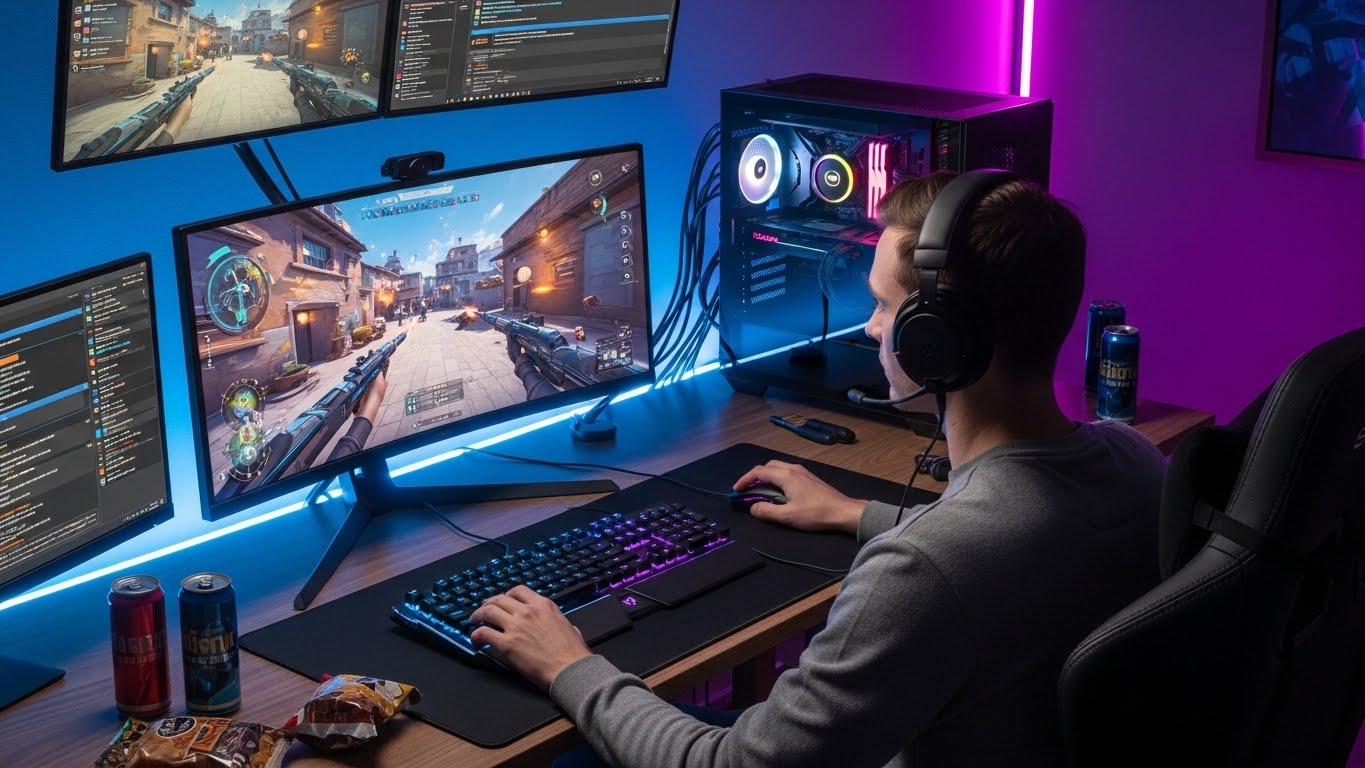
Gaming has transformed from a simple pastime into a cultural powerhouse that influences entertainment, technology, storytelling, and even human connection. What began as pixelated experiments now stands as one of the most influential industries in the world. Today, gaming is more than just fun. It is a form of expression, a competitive arena, a social hub, and a gateway to technological innovation. This blog explores how modern gaming has evolved, why it matters, and where it is heading next.
The Rise of Immersive Worlds
One of the most captivating aspects of modern gaming is the creation of immersive digital worlds that feel alive. These are not just backdrops for gameplay but intricate environments designed with meticulous detail. From sprawling open landscapes to tightly crafted futuristic cities, developers push boundaries to make players feel truly present in the experiences they enter. The realism of lighting, weather, textures, and physics is no longer a luxury; it is an expectation. Players want to feel the wind in virtual trees, hear the echo of a distant cavern, and move seamlessly through fully interactive settings. Immersion has become the core of modern game design, and players now value how deeply they can connect with virtual environments.
Storytelling That Rivals Cinema
Gone are the days when games relied solely on high scores or simple win conditions. Today’s titles feature narratives as meaningful as those found in films or novels. Character development, emotional arcs, and moral dilemmas are woven into gameplay. Games allow players to step into another person’s shoes, make difficult choices, and face the consequences of their decisions. This interactivity elevates storytelling in ways that traditional media cannot match. Players are no longer passive audiences. They are co-authors shaping the direction of their own experience. Because of this, gaming has become a medium capable of delivering powerful messages, deep emotional journeys, and unforgettable characters.
Gaming as a Social Universe
Modern gaming is more social than ever. Multiplayer platforms have evolved into thriving communities where friendships form, teamwork thrives, and people from different parts of the world connect with a shared purpose. Whether engaging in cooperative missions or competing in high-stakes matches, players experience a level of social interaction unique to gaming. Voice chat, guilds, clans, and in-game events create a sense of belonging. For many, gaming is not just a hobby but a social lifeline. It provides opportunities to bond with people who share similar interests, creating friendships that often extend beyond the screen. Even single-player games have integrated social elements through leaderboards, user-generated content, and shared progression.
The Competitive Edge: Esports and Professional Play
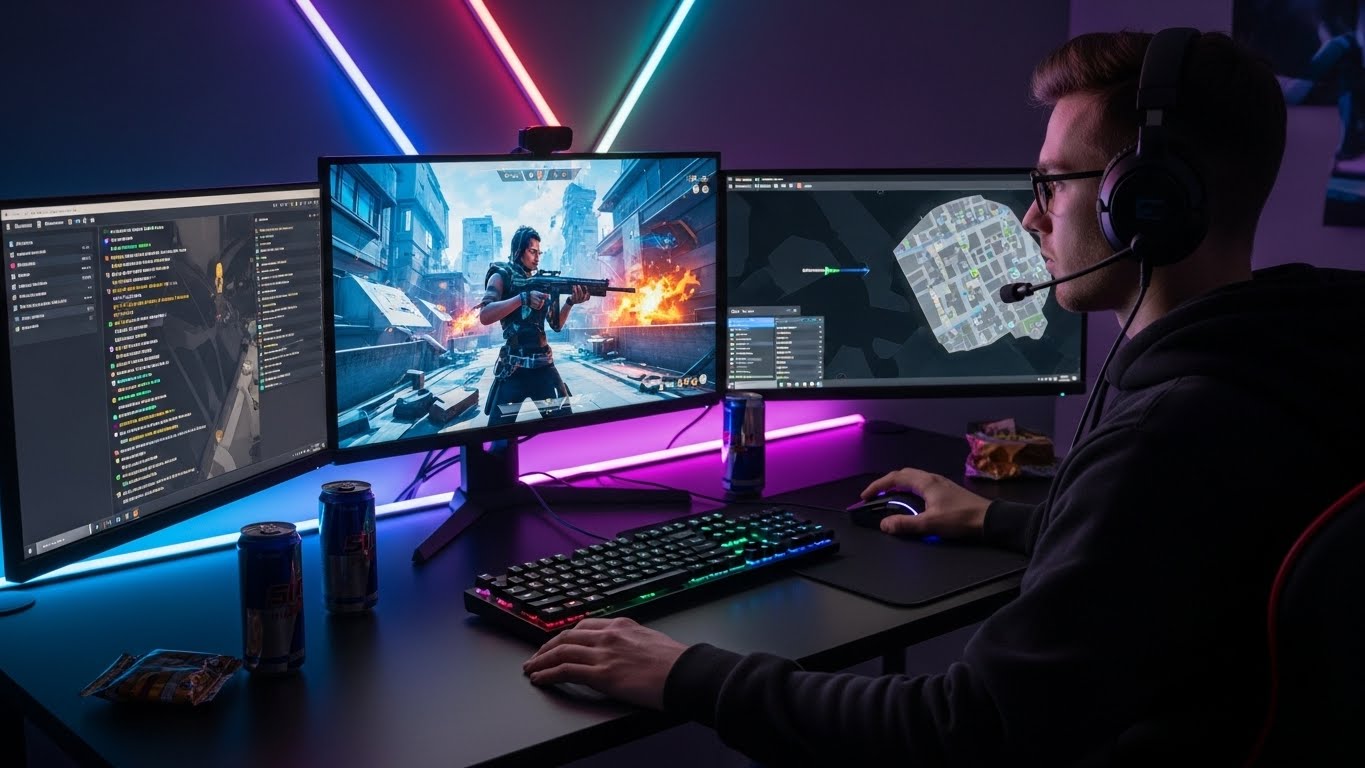
Esports has transformed gaming into a global competitive phenomenon. What once seemed like a niche interest has evolved into an industry with professional leagues, live events, sponsorships, and millions of fans. Skilled players dedicate hours perfecting strategies, mastering mechanics, and competing on international stages. The rise of esports has also propelled gaming into mainstream culture, gaining recognition as a legitimate form of competition. Spectators tune in not only to watch intense matches but to appreciate the skill, precision, and teamwork on display. Esports demonstrates that gaming is more than entertainment. It is a professional pursuit that demands discipline, creativity, and talent.
Technological Advances Driving the Future
Innovation fuels the evolution of gaming. Advancements in hardware and software shape the way games look, feel, and function. The arrival of ultra-fast processors, powerful graphics cards, and high-resolution monitors has elevated the standard for quality. Virtual reality and augmented reality are giving players new ways to experience digital worlds, blurring the line between real and virtual spaces. Cloud gaming is removing the barrier of expensive hardware, allowing players to enjoy high-end experiences through simple devices. Artificial intelligence enhances enemy behaviors, generates dynamic environments, and personalizes gameplay. Each technological leap pushes gaming closer to offering truly limitless possibilities.
The Cultural Impact of Gaming
Gaming has become a major part of global culture. Its influence can be seen in music, fashion, film, and even education. Characters, quotes, and icons from popular games have become part of everyday conversation. Gaming-inspired merchandise, apparel, and collectibles reflect its widespread appeal. Beyond entertainment, games are used as educational tools to teach problem-solving, strategy, creativity, and collaboration. They also provide safe spaces for exploring identity, expressing oneself, and experimenting with different roles. The cultural footprint of gaming continues to grow as more people from diverse backgrounds engage with it.
The Power of Player Creativity
One of the most remarkable aspects of gaming today is the surge of player creativity. Many modern games offer tools for building worlds, designing characters, creating stories, and even coding gameplay mechanics. Players are no longer limited to consuming content. They are creators shaping their own experiences. User-generated content has become a fundamental part of the gaming ecosystem, allowing communities to expand and evolve long after a game’s release. This collaborative creativity keeps games alive, encourages innovation, and fosters a sense of ownership among players.
Inclusive Gaming and Representation
The industry has made significant strides toward inclusivity. Games feature characters from diverse backgrounds, experiences, and identities. Developers work to create stories and worlds that reflect a wide spectrum of cultures and perspectives. Accessibility features are becoming more common, ensuring that players of all abilities can enjoy gaming. From customizable controls to visual and auditory aids, inclusivity helps expand the gaming community and enrich the medium. When more people see themselves represented in the games they play, the experience becomes more meaningful and immersive.
The Emotional Connection Between Players and Games
Gaming is unique in its ability to evoke strong emotional responses. Players may feel joy, excitement, frustration, fear, or sadness depending on the narrative and gameplay. The emotional connection often stems from the interactive nature of the medium. When players make choices that shape outcomes, they become personally invested. Characters feel like friends, victories feel earned, and losses sting with authenticity. This emotional dimension is why gaming resonates so deeply and why certain titles remain memorable long after the credits roll.
The Future of Gaming: A Boundless Horizon
As technology continues to evolve, gaming will enter new frontiers. Virtual worlds will become more lifelike, narratives will grow more intricate, and social interactions will become even more seamless. We may see games that adapt to players in real time, offering unique experiences based on individual preferences and behaviors. Cross-platform connectivity will unite players across devices, making gaming even more accessible. Artificial intelligence will further enhance realism, creativity, and personalization. The future of gaming is not just about better graphics or faster performance. It is about deeper connections, richer stories, and more meaningful interactions.
Conclusion: More Than Just a Game
Gaming has grown into a multifaceted realm filled with endless possibilities. It entertains, educates, inspires, and connects people across the globe. It reflects our creativity, our desires for exploration, and our need for connection. As gaming continues to evolve, it will remain a powerful force shaping culture, technology, and human experience. Beyond the screen, gaming is shaping a new era of play where imagination knows no limits.