Introduction: A New Era of Play
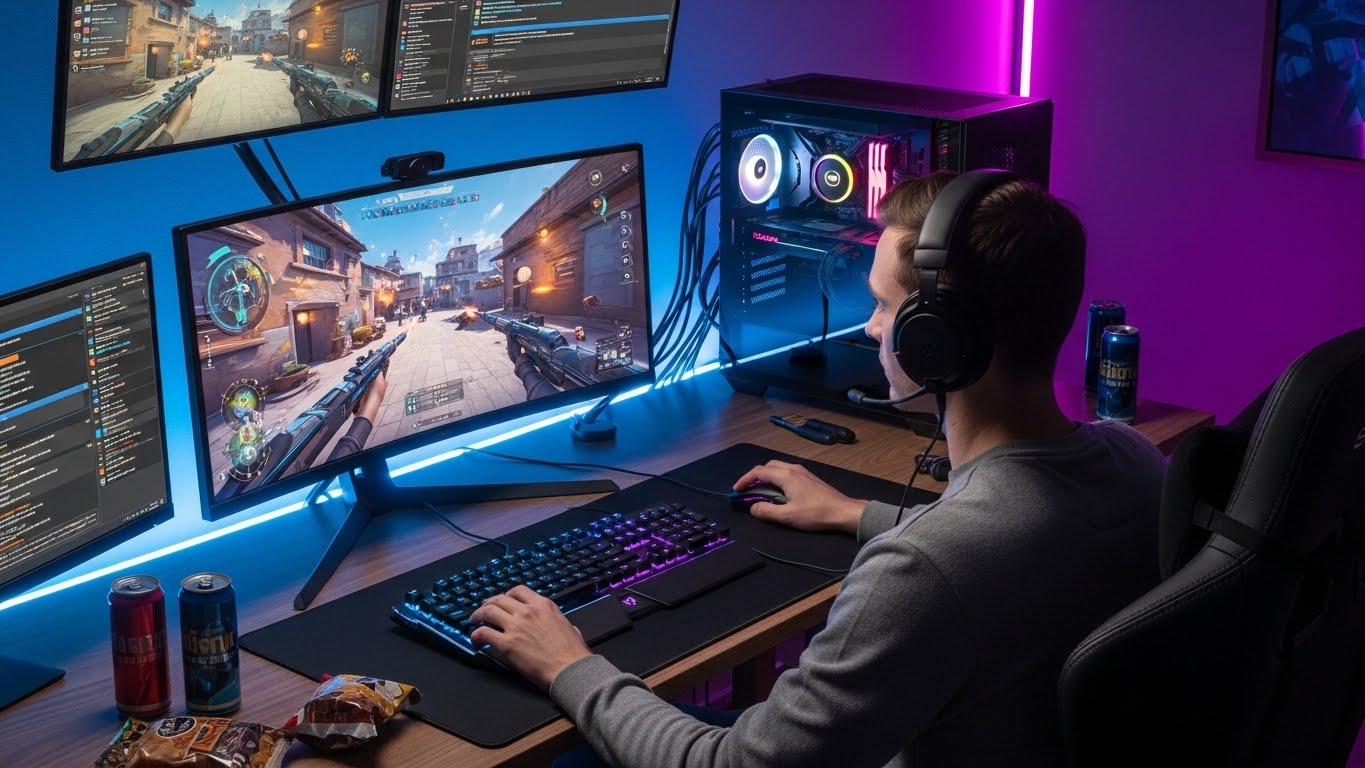
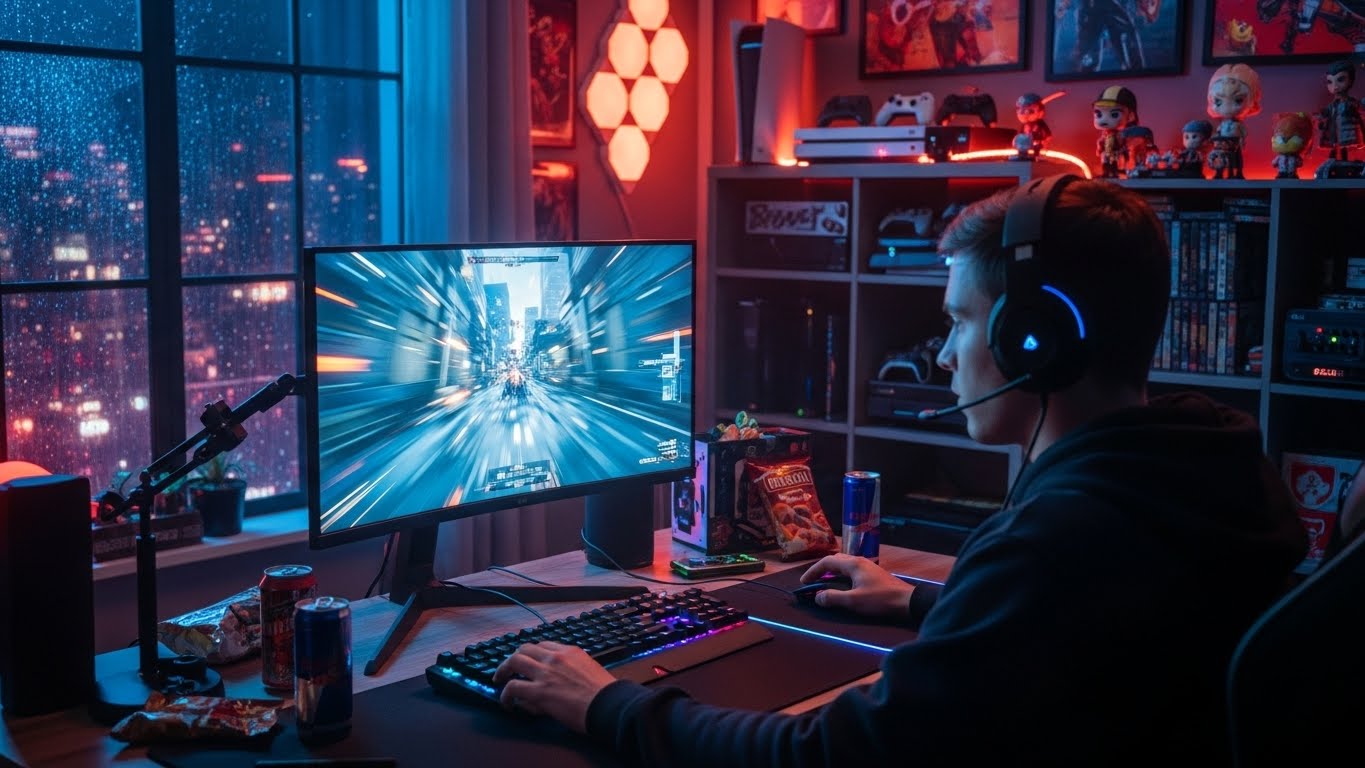
Gaming has evolved far beyond the days of pixelated characters and simple objectives. Today, it stands as one of the most influential forms of entertainment, blending storytelling, technology, strategy, and social interaction. What was once considered a casual hobby has now grown into a global culture that connects millions of players every day. This blog explores how modern gaming is changing lives, shaping creativity, building communities, and redefining entertainment in ways few could have imagined.
The Evolution of Gaming: From Simple Fun to Complex Worlds
Decades ago, gaming largely meant sitting with a single controller, playing repetitive levels, and attempting to beat a high score. The landscapes were small, the graphics were basic, and the stories were minimal. Fast forward to today, and the gaming industry has transformed into an enormous universe filled with immersive worlds, life-like characters, and limitless possibilities.
Modern titles offer expansive open environments, intricate plots, and emotional depth that rivals the best films and novels. Players are no longer passive participants but active explorers who shape the outcome of their experiences. This shift has not only elevated the artistic value of games but also broadened the audience by appealing to various tastes, genres, and play styles.
Gaming and Creativity: Where Imagination Meets Innovation
One of the most remarkable impacts of gaming is how it inspires creativity. Many modern games encourage players to think beyond the obvious, solve complex puzzles, and create their own content. Sandbox-style games allow players to build structures, craft unique worlds, and experiment with limitless ideas. This type of freedom gives players the space to express themselves in ways that traditional media cannot match.
Even outside the games themselves, creative communities thrive. People design fan art, produce game-inspired music, write stories, create animation, and build digital worlds that sometimes become more popular than the games that inspired them. Gaming fuel creativity by giving individuals the tools and inspiration to bring their imagination to life.
The Rise of Competitive Gaming and Esports
Competitive gaming has become a massive global phenomenon, bringing players from all corners of the world together in high-stakes matches. Esports tournaments now attract millions of viewers and offer substantial prize pools that rival traditional sports competitions. Professional players train rigorously, study strategies, and hone their reflexes, proving that gaming requires skill, discipline, and dedication.
The rise of esports has also opened career opportunities beyond playing professionally. Many people now work as coaches, analysts, commentators, content creators, event organizers, and more. These roles contribute to a thriving ecosystem that supports the growth and professionalism of competitive gaming.
The Social Side of Gaming: Building Friendships Across the Globe
Gone are the days when gaming was labeled a lonely activity. Today, it is one of the most social forms of entertainment available. Multiplayer games allow strangers to connect instantly, forming teams, sharing strategies, and building friendships that often extend beyond the virtual world.
Online conversations in gaming communities can be as meaningful as those in real life. Players celebrate victories, overcome challenges, and support one another through shared experiences. Many friendships—and even long-term relationships—have formed through gaming platforms. This sense of community gives players a powerful sense of belonging, even if they are physically miles apart.
Mental Benefits: How Games Improve Skills and Well-Being
While gaming often faces criticism, research and personal experiences show that it can offer several mental and emotional benefits when enjoyed responsibly. Many games improve problem-solving abilities, enhance coordination, and strengthen memory. Strategic and competitive games require players to think quickly, plan ahead, and adapt to rapidly changing situations.
Beyond cognitive benefits, gaming can also provide emotional relief. For many, it acts as an escape from stress or a way to unwind after a long day. Story-driven games, especially those with rich narratives, often inspire reflection and help players process emotions. Cooperative games foster teamwork, patience, and communication skills, which translate into everyday life.
The Power of Storytelling in Modern Games
Storytelling has become a fundamental part of the gaming experience. Today’s titles weave emotional, complex narratives that capture the hearts of players. Whether through epic adventures, moral dilemmas, or character-driven stories, games bring storytelling to life by making the player an active participant.
This interactive form of storytelling allows players to feel responsible for the choices they make, deepening the emotional impact of the narrative. Games have the power to make players laugh, cry, rethink their decisions, and even develop empathy for characters and situations.
Technological Advancements: The Future Is Already Here
Technology has played a major role in the evolution of gaming. Realistic graphics, advanced physics engines, artificial intelligence, and responsive controls have elevated the experience to an entirely new level. Virtual reality and augmented reality offer immersive worlds that make players feel like they have stepped inside another dimension.
Cloud gaming is changing how people access games by allowing them to play without needing powerful hardware. Meanwhile, artificial intelligence is helping create dynamic worlds that react to player choices in real time. These advancements point toward a future where the boundaries between the digital and physical worlds continue to blur.
Gaming as a Learning Tool: Education Through Play
Educators and researchers have begun embracing gaming as a powerful tool for learning. Games can introduce complex subjects such as science, engineering, history, and mathematics through interactive challenges. Learning through gaming helps students retain information more effectively, as they actively participate rather than passively listen.
Simulation games help players understand real-world systems, from building cities to managing economies. Strategy games can teach critical thinking, time management, and planning. Even role-playing games can enhance reading comprehension and vocabulary skills. The use of gaming in education shows how play can be a bridge to deeper understanding.
The Inclusive World of Gaming: Everyone Has a Place
One of the most encouraging trends in modern gaming is the increasing push for inclusivity. Developers now focus on creating characters, stories, and environments that reflect diverse backgrounds, cultures, and experiences. Accessibility features are becoming more common, allowing people with disabilities to enjoy games fully.
This shift shows that gaming is for everyone. Regardless of age, gender, nationality, or ability, there is a game for every type of player. This inclusivity not only expands the player base but also creates spaces where people can feel seen, represented, and respected.
The Economic Impact: Gaming as a Global Industry
Gaming has become one of the largest and fastest-growing industries in the world. It generates billions in revenue annually and employs millions of people in various sectors such as development, design, marketing, programming, animation, and content creation. Its rapid growth reflects how gaming has become a dominant force in global entertainment.
Independent developers have also gained recognition, releasing creative and innovative games that rival large studios. The rise of digital marketplaces allows small studios to reach global audiences, showcasing the diversity of ideas within the gaming world.
The Future of Gaming: What Comes Next?
The future of gaming promises even more exciting developments. We can expect more realistic virtual environments, deeper interactive storytelling, advanced artificial intelligence, and new genres that merge technology with imagination. As the digital world becomes more integrated with daily life, gaming will continue to influence how we learn, work, socialize, and relax.
The line between reality and gaming will continue to fade, creating new possibilities for entertainment, education, and personal growth. What remains certain is that gaming will continue shaping the future in ways we cannot fully predict.
Conclusion: More Than a Hobby, Gaming Is a Lifestyle
Gaming has become far more than a pastime. It is a global culture, a social connector, a creative outlet, a competitive sport, and a powerful influence on the future of technology and entertainment. Whether you play casually or competitively, gaming offers a world where imagination thrives, friendships grow, and every player has a chance to explore new horizons.
In this ever-evolving digital age, gaming stands as one of the most enriching and dynamic experiences available. It celebrates creativity, encourages learning, and brings people together. As technology continues to advance, the world of gaming will only become more immersive, more inclusive, and more exciting.