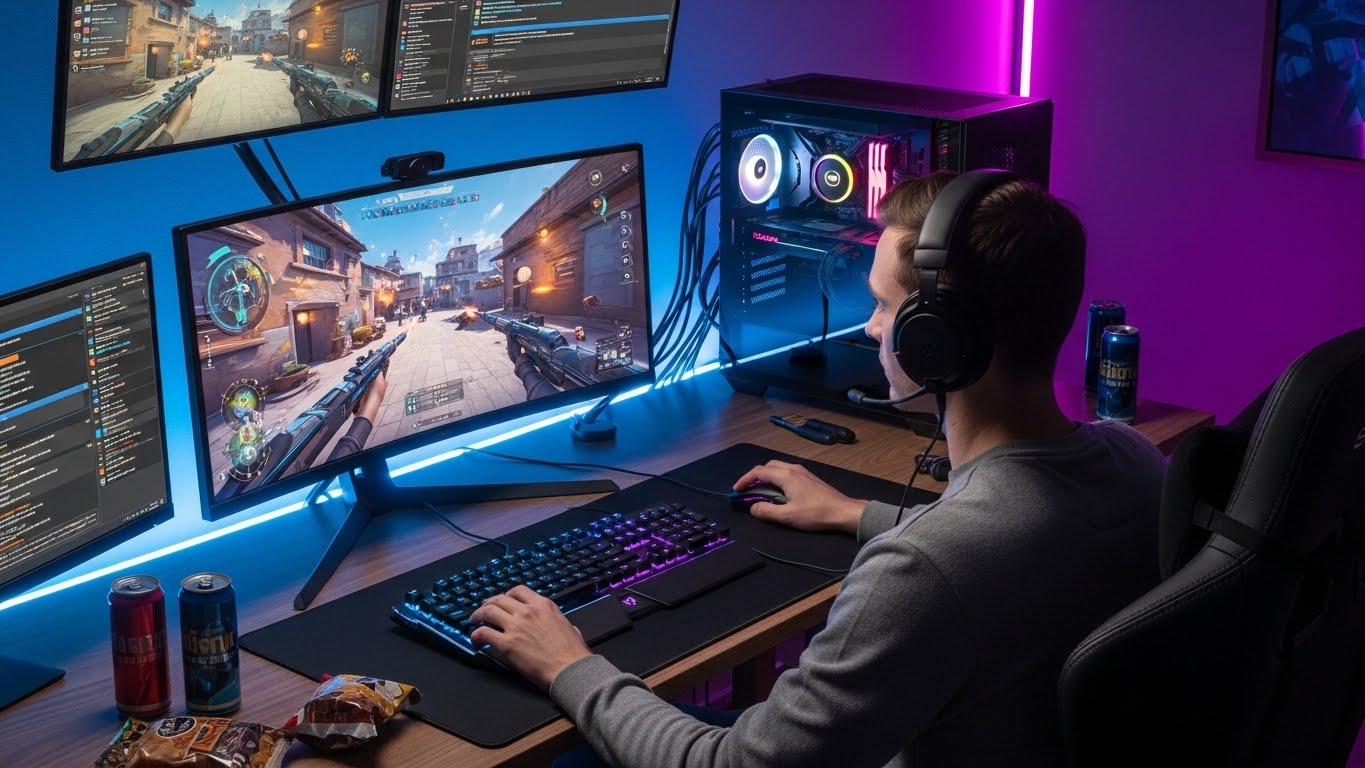
Gaming has long been more than just a form of entertainment; it is a culture, an industry, and a lifestyle. Over the years, it has transformed from simple pixelated screens to hyper-realistic worlds, becoming a multi-billion dollar industry that attracts millions of players around the globe. But what makes gaming so enduring? How did it evolve from basic arcade games to immersive digital universes? In this blog post, we’ll take a journey through the history of gaming, exploring the technological advancements and cultural shifts that shaped the modern gaming landscape.
The Humble Beginnings of Video Games
Video games first appeared in the 1950s, not as entertainment but as part of research projects aimed at pushing the boundaries of computer technology. Early experiments like Spacewar! and Tennis for Two were rudimentary but laid the groundwork for what was to come. These first games were often confined to university campuses, but they captured the imagination of a few early adopters.
The true public arrival of gaming happened in the 1970s with arcade games like Pong, a simple yet addictive game that set the stage for a new form of entertainment. By the late 1970s and early 1980s, arcade cabinets were popping up in malls, restaurants, and bars across the country. Games like Pac-Man, Space Invaders, and Donkey Kong became cultural phenomena, drawing in crowds and providing a new way for people to engage with technology.
The Rise of Home Consoles
As the 1980s rolled in, gaming took a monumental leap forward with the advent of home consoles. Instead of heading to the arcade, players could now bring the experience into their living rooms. Systems like the Atari 2600, released in 1977, made it possible for people to play games on their home TVs. Although the Atari 2600’s graphics and games were primitive by today’s standards, it was revolutionary at the time, offering titles like Space Invaders and Pitfall! to a broader audience.
The true game-changer came in 1985 with the launch of the Nintendo Entertainment System (NES). With the NES, Nintendo introduced iconic franchises such as Super Mario Bros., The Legend of Zelda, and Metroid—games that would go on to become pillars of the gaming world. The success of the NES also marked the beginning of a fierce rivalry between gaming giants, with Nintendo facing off against Sega’s Genesis in the early 1990s. This period of competition gave rise to many beloved franchises and solidified gaming as a mainstream hobby.
3D Graphics and the Explosion of 3D Worlds
By the mid-1990s, the gaming industry was ready for another leap forward—this time into three dimensions. The release of the Sony PlayStation in 1994 and the Nintendo 64 in 1996 ushered in a new era of 3D graphics. These consoles allowed developers to create games that were no longer limited to side-scrolling, 2D gameplay. Games like Super Mario 64 and The Legend of Zelda: Ocarina of Time introduced players to vast, 3D worlds that they could explore and interact with in entirely new ways.
This period also saw the rise of new genres that would shape the future of gaming, such as 3D platformers and action-adventure games. The PlayStation’s impressive library of titles, including Final Fantasy VII, Metal Gear Solid, and Gran Turismo, elevated gaming to an art form, with cinematic storytelling and intricate gameplay systems becoming increasingly common.
The Online Revolution: Connecting Players Worldwide
In the late 1990s and early 2000s, the internet began to change the way people played games. No longer confined to single-player experiences or local multiplayer, games now allowed players from all over the world to connect and compete. Online gaming began to take off with titles like StarCraft and Quake, which introduced fast-paced competitive multiplayer to a global audience.
In the 2000s, the rise of massively multiplayer online role-playing games (MMORPGs) like World of Warcraft took online gaming to new heights, creating vast, persistent worlds where players could interact, form guilds, and embark on quests together. This era also saw the rise of gaming consoles with online capabilities, such as the Xbox Live service, which made it easier for players to connect and play with others, regardless of location.
The Shift to Mobile Gaming
As smartphones became ubiquitous, mobile gaming emerged as a major force in the industry. Games like Angry Birds and Candy Crush became cultural touchstones, attracting millions of casual gamers who might have never considered gaming on a traditional console. Mobile gaming’s accessibility and affordability made it one of the most rapidly growing segments of the industry.
With the rise of app stores and digital distribution platforms, indie developers were also able to create and distribute games on mobile devices without the need for traditional publishers. This democratization of game development has led to a flourishing of creativity, with smaller studios producing highly innovative and unique games that might not have fit the mold of traditional AAA titles.
Virtual Reality and Augmented Reality: The Next Frontier
Looking toward the future, virtual reality (VR) and augmented reality (AR) represent the next big step in gaming technology. With VR headsets like the Oculus Rift and PlayStation VR, players can fully immerse themselves in digital worlds. This technology allows for 360-degree environments where players can physically move around and interact with the game world in ways that were previously impossible.
At the same time, AR games like Pokémon GO have brought a new layer of interaction to the real world. By using a smartphone’s camera and GPS, AR games overlay digital objects onto the real world, creating an experience that blends reality with the virtual.
These technologies are still in their infancy, but they hold immense potential to change the way we play and interact with games. The ability to create fully immersive experiences and integrate the virtual world with our real-world surroundings is something that could redefine gaming as we know it.
The Impact of Gaming on Society
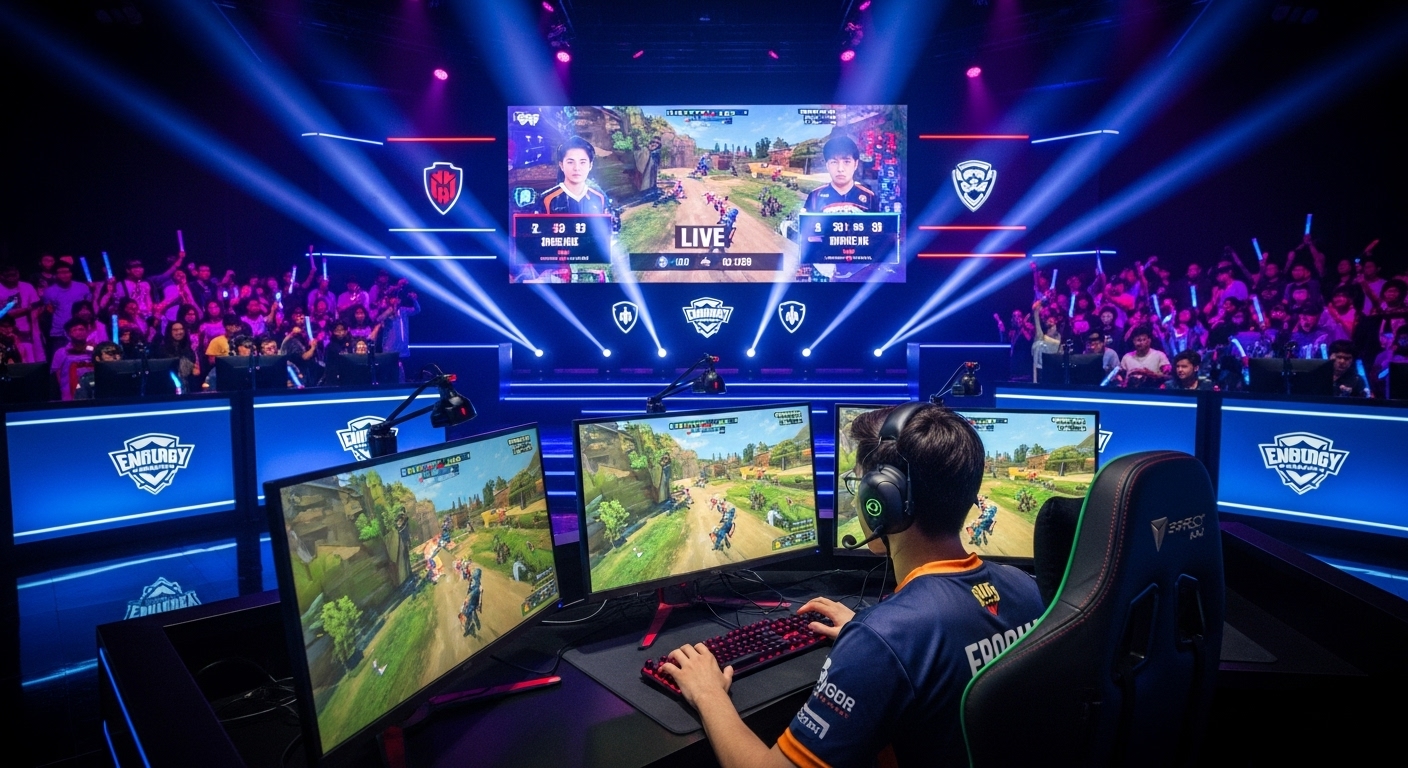
Gaming is no longer just an isolated pastime; it is an integral part of modern culture. From esports competitions that draw massive crowds to the millions of gamers who stream their playthroughs on platforms like Twitch and YouTube, gaming has become a social activity in its own right. Players can connect with others around the world, sharing experiences and creating communities built around shared interests and goals.
In addition to entertainment, gaming has also become an educational tool, with games being used in classrooms to teach everything from history to mathematics. Game design is now a respected field of study, and many universities offer degrees focused on game development, design, and technology.
Moreover, gaming has had a profound influence on other media, inspiring movies, TV shows, books, and comics. Franchises like The Legend of Zelda, Halo, and Uncharted have become pop culture icons, transcending their origins to become multi-media franchises.
The Future of Gaming: What’s Next?
As we look to the future, the gaming industry shows no signs of slowing down. With cloud gaming services like Google Stadia and Xbox Game Pass, players can stream games without the need for expensive hardware, making gaming more accessible to a global audience. The increasing power of cloud computing and artificial intelligence will also open up new possibilities for game development, enabling more complex worlds, smarter non-playable characters, and dynamic, personalized gameplay experiences.
Additionally, the rise of artificial intelligence in game development is set to revolutionize how we interact with virtual worlds. AI could make NPCs (non-playable characters) more responsive, with their behaviors and interactions tailored to the player’s choices in real time.
The future of gaming is exciting, offering endless possibilities for innovation, creativity, and new experiences. As technology continues to advance, gaming will undoubtedly evolve into even more sophisticated, immersive, and inclusive experiences for players around the world.
Conclusion: Gaming as a Cultural Force
From its humble beginnings to its current position as a global cultural force, gaming has evolved dramatically over the years. It has become more than just a hobby; it’s a medium that brings people together, challenges creativity, and pushes the boundaries of what technology can achieve. Whether through immersive virtual worlds, mobile gaming on the go, or the explosive growth of esports, gaming is a powerful force that will continue to shape entertainment, culture, and technology for years to come.
In the end, gaming isn’t just about the games themselves—it’s about the experiences, the connections, and the stories they allow us to tell. As we move forward, one thing is certain: gaming will remain a central part of our cultural fabric, constantly evolving and providing us with new ways to explore, create, and connect.