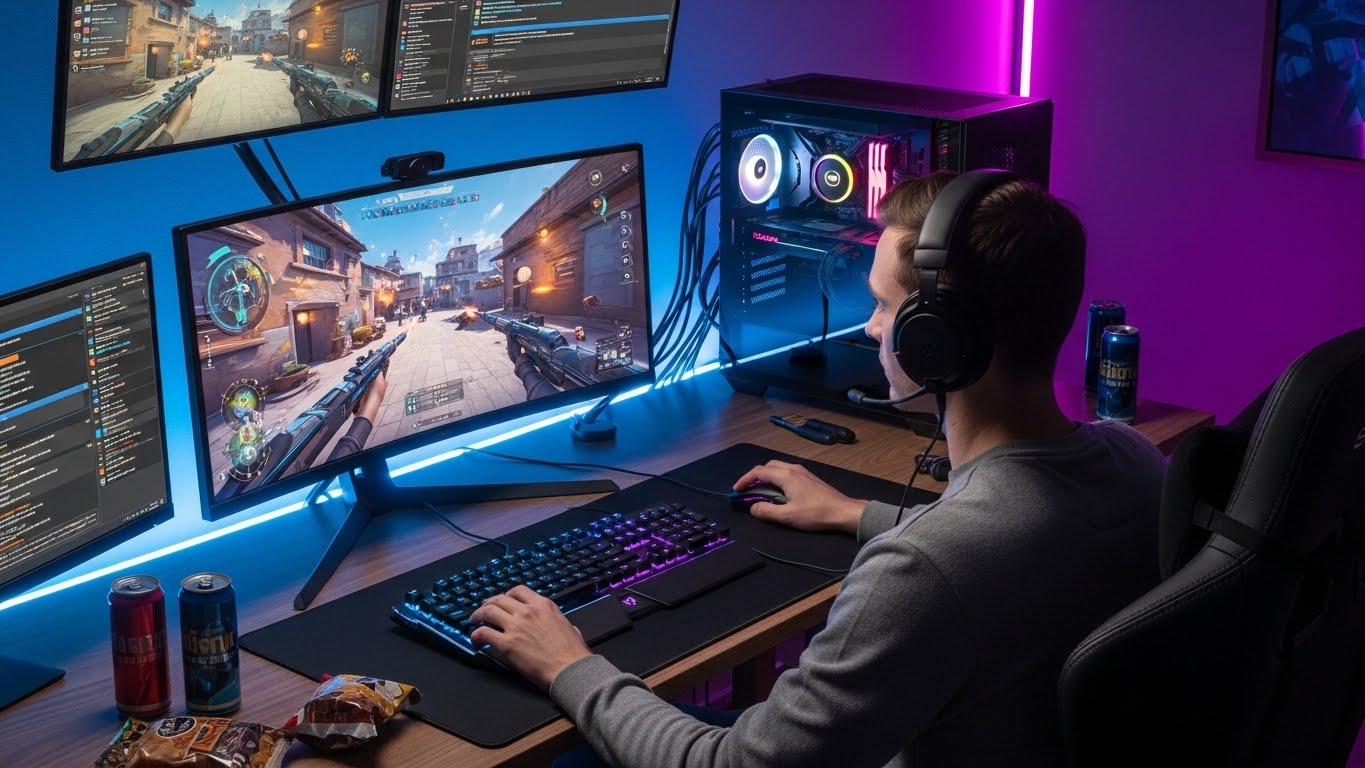
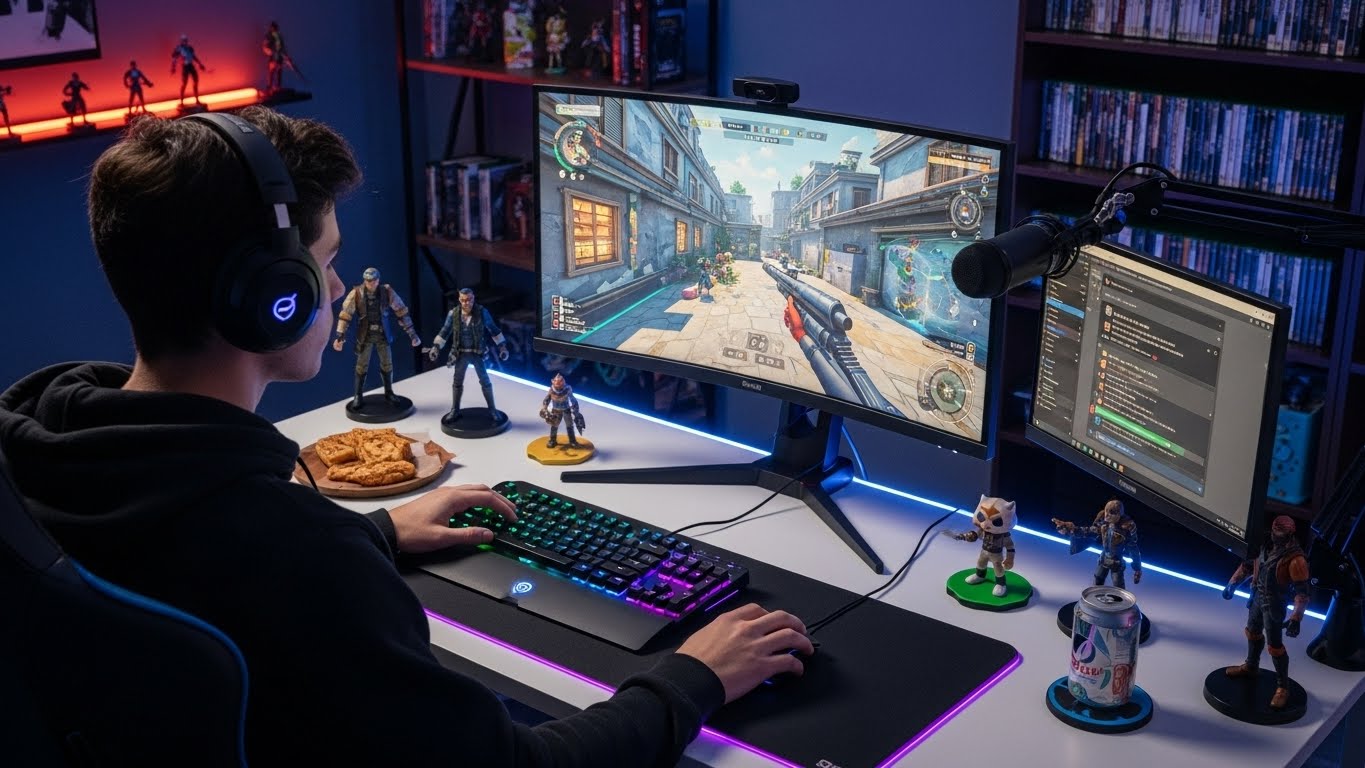
Gaming is no longer a niche hobby or a pastime reserved for children. Over the past few decades, it has evolved into a global cultural phenomenon that influences art, technology, education, and social interaction. From mobile gaming to immersive virtual reality experiences, the world of gaming is vast, diverse, and continually expanding. It is more than just entertainment; gaming has become a way for people to explore creativity, challenge themselves, connect with others, and experience stories in interactive ways that traditional media cannot offer. In this blog, we explore how gaming impacts our daily lives, the innovations driving the industry, and why it continues to grow in popularity across the globe.
The Evolution of Gaming: From Simple Beginnings to Complex Worlds
The gaming industry has come a long way since its early days. The first video games featured simple graphics and basic mechanics, yet they captivated audiences and laid the foundation for an entire industry. Over the years, technological advancements in hardware and software have allowed developers to create detailed, immersive worlds filled with dynamic characters and realistic physics.
Modern games can replicate real-life environments, feature complex narratives, and provide players with interactive experiences that rival movies and novels in storytelling. This evolution has transformed gaming into a form of art that combines technology, narrative, and creativity, making it accessible to a wider audience than ever before.
The Widespread Appeal of Gaming
Gaming’s popularity extends across age, gender, and cultural boundaries. Several factors contribute to this universal appeal.
Accessibility Across Devices
Gaming is no longer confined to expensive consoles or high-end computers. Smartphones, tablets, laptops, and even cloud gaming platforms allow people to play games anywhere and anytime. This accessibility has introduced gaming to millions of new players who can enjoy experiences that suit their interests and lifestyles.
Social Connection and Community
Many games today are multiplayer, enabling players to connect with friends and strangers around the world. Online communities offer spaces for sharing strategies, discussing game lore, and forming friendships. Gaming has become a social platform where players collaborate, compete, and connect, creating meaningful relationships beyond physical boundaries.
Variety of Gaming Experiences
The diversity of gaming genres ensures that there is something for everyone. Action, strategy, role-playing, simulation, puzzle, and sandbox games each offer unique experiences. This variety allows players to explore different aspects of gaming, whether they seek intense competition, narrative-driven adventures, or creative freedom.
The Rise of Esports and Professional Gaming
Esports, or competitive gaming, has emerged as a major segment of the industry. Once limited to local tournaments, esports now attracts millions of viewers worldwide. Professional gamers dedicate hours each day to training, honing skills such as strategy, communication, and rapid decision-making, similar to traditional athletes.
Esports has also opened new career paths beyond playing professionally. Players can become content creators, streamers, or analysts, further establishing gaming as a legitimate profession. The growth of esports highlights how gaming is no longer just entertainment but a serious, skill-based pursuit.
Cognitive and Social Benefits of Gaming
Gaming provides several cognitive and social benefits when played responsibly.
Problem-Solving and Strategic Thinking
Many games require players to analyze situations, plan strategies, and make decisions quickly. Puzzle games, strategy titles, and role-playing games help improve critical thinking, adaptability, and decision-making skills, which can translate to real-life problem-solving.
Enhanced Hand-Eye Coordination
Fast-paced games often demand precise movements and quick reflexes. These activities improve hand-eye coordination, reaction time, and multitasking abilities.
Creativity and Imagination
Games that allow customization or world-building encourage players to express creativity. Sandbox and design-oriented games inspire innovative thinking, experimentation, and artistic expression.
Collaboration and Social Skills
Multiplayer and team-based games require communication, collaboration, and leadership. Players learn to work together, negotiate, and solve conflicts, building social skills in a dynamic and engaging environment.
The Role of Storytelling in Gaming
One of the most unique aspects of gaming is its interactive storytelling. Unlike books or movies, games allow players to shape the narrative through their choices. This interaction creates an emotional connection between the player and the characters or story.
Modern games explore a range of themes such as friendship, courage, loss, and moral dilemmas. Players participate in the unfolding narrative, making decisions that influence outcomes and develop empathy, emotional intelligence, and engagement with complex scenarios.
Gaming as a Creative Outlet
For many players, gaming is more than entertainment; it is a creative space. Games allow players to design characters, build virtual worlds, and experiment with mechanics. Creative modes in games foster artistic expression, problem-solving, and innovation.
Some players turn their gaming creativity into professional pursuits, pursuing careers in game design, animation, storytelling, or software development. Gaming thus serves as a platform that nurtures imagination and practical skills simultaneously.
Technology Behind Modern Gaming
Technological innovation is at the core of modern gaming. Advancements in graphics, artificial intelligence, virtual reality, and cloud computing have redefined the gaming experience.
Realistic Graphics and Environments
Modern game engines create lifelike worlds with realistic textures, lighting, and animations. These advancements enhance immersion and make digital worlds more convincing and engaging.
Artificial Intelligence
AI in games controls enemy behavior, adapts challenges to player skill, and enables dynamic storytelling. Intelligent AI ensures gameplay remains engaging, unpredictable, and challenging.
Virtual and Augmented Reality
Virtual reality immerses players in fully interactive 3D environments, while augmented reality overlays digital content on the real world. Both technologies provide unique, immersive experiences that expand the possibilities of gaming.
Gaming Communities and Culture
Gaming communities have become a significant cultural phenomenon. Players share experiences, discuss strategies, and create content such as fan art, videos, and stories. These communities influence fashion, music, and digital trends, reflecting the broader impact of gaming on culture.
Many players feel a sense of belonging and identity within gaming communities, forming friendships and finding mentorship or inspiration. This social aspect of gaming highlights its role beyond entertainment, creating real connections in virtual spaces.
Responsible Gaming and Balance
While gaming offers many benefits, maintaining a healthy balance is essential. Excessive gaming can interfere with physical activity, social interactions, and mental health. Time management, regular breaks, and combining gaming with other activities ensure that it remains positive and enriching.
Parents and guardians can guide younger players toward age-appropriate content and encourage responsible habits. With balance, gaming can enhance cognitive, social, and creative growth without negative consequences.
The Future of Gaming
The future of gaming is full of possibilities. Emerging technologies such as cloud gaming, hyper-realistic graphics, artificial intelligence, and immersive virtual worlds will continue to shape the industry.
Games will become more social and interactive, blending entertainment, education, and creative expression. Personalized gameplay experiences and adaptive storytelling will allow players to influence narratives and explore digital worlds in unprecedented ways. Gaming will continue to evolve as a medium that entertains, educates, and connects people globally.
Conclusion: Gaming as a Medium for Connection, Creativity, and Growth
Gaming has grown far beyond its early roots to become a powerful cultural, technological, and social force. It fosters creativity, enhances cognitive skills, strengthens social connections, and provides immersive experiences that rival traditional media. Whether through competitive esports, creative exploration, or narrative-driven storytelling, gaming continues to shape modern culture and impact the lives of millions.
As technology advances, gaming will only become more immersive, inclusive, and influential. It is not just entertainment—it is a medium that nurtures imagination, connects communities, and opens new possibilities in the digital age.