Introduction: The Global Phenomenon of Gaming
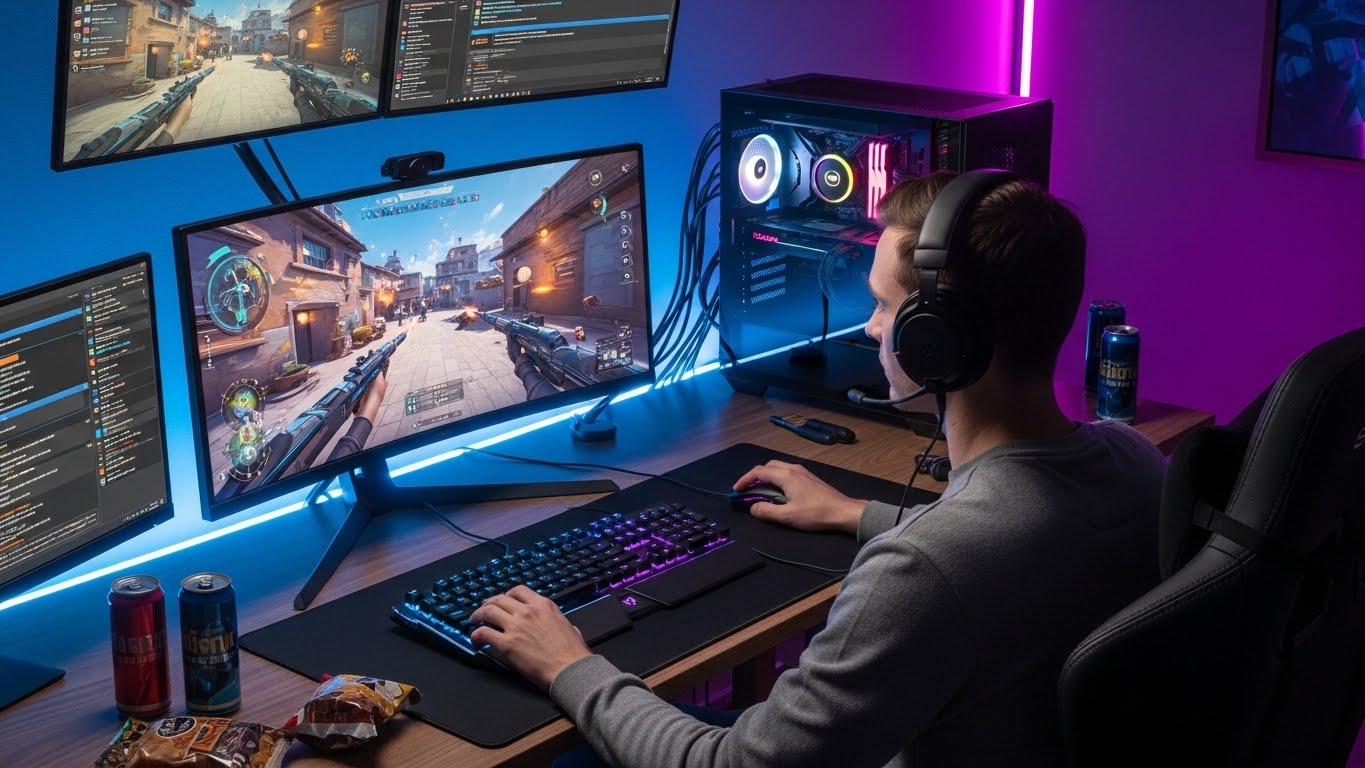
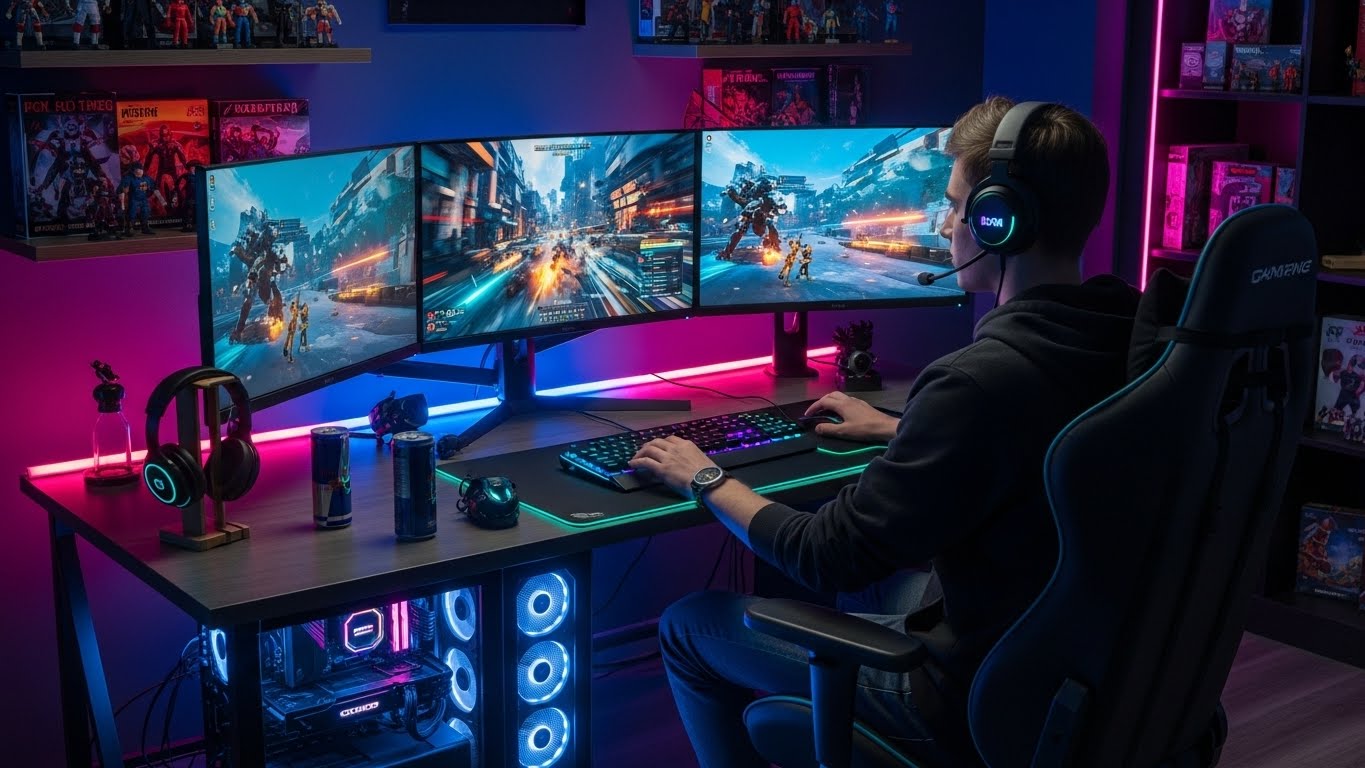
Gaming is no longer just a pastime; it has become a global phenomenon that influences culture, technology, and social interaction. From early video games in arcades to sophisticated online multiplayer worlds, gaming has evolved into an immersive form of entertainment that spans generations. People play games for fun, competition, socialization, and even education.
Modern gaming offers more than just entertainment. It challenges the mind, develops skills, and builds communities. Gamers can explore vast fictional worlds, solve intricate puzzles, and engage in competitive battles, all while connecting with friends or strangers around the world. The impact of gaming on modern life is profound, shaping both personal experiences and broader cultural trends.
The History and Evolution of Gaming
The history of gaming spans decades and reflects technological advancement and social change. Early video games like Pong and Space Invaders introduced interactive entertainment to the public, captivating players with simple mechanics and engaging challenges. As technology improved, home consoles like the NES and Sega Genesis brought gaming into living rooms, making it accessible to millions.
The 1990s and early 2000s saw the rise of personal computers and online multiplayer games. Titles like StarCraft, Counter-Strike, and The Sims created new ways to interact with games, fostering online communities and competitive gaming. Today, gaming encompasses consoles, PCs, mobile devices, and cloud platforms, offering endless opportunities for exploration, creativity, and competition.
The Diversity of Gaming Genres
One of the reasons gaming has become so popular is its diversity. There is a genre for every taste, skill level, and interest. Action games test reflexes and precision, while strategy games require careful planning and critical thinking. Role-playing games immerse players in intricate storylines, allowing them to shape characters and narratives.
Simulation games recreate real-world experiences, from managing cities to piloting aircraft. Puzzle and educational games challenge the mind and enhance problem-solving skills. Sports and racing games provide competitive excitement and realism. This diversity ensures that gaming remains inclusive, accessible, and endlessly engaging for players worldwide.
Gaming as a Social Experience
Contrary to the stereotype of the solitary gamer, modern gaming is highly social. Multiplayer games connect people globally, allowing friends and strangers to collaborate or compete in real time. Online communities form around games, offering spaces for discussion, strategy sharing, and friendship.
Voice chat, messaging, and streaming enhance social interaction, creating bonds that extend beyond the game itself. Gaming can unite people of different cultures, ages, and backgrounds, providing a common platform for connection and collaboration. This social aspect is one of the most powerful features of modern gaming.
Skill Development Through Gaming
Gaming is more than entertainment; it develops a wide range of cognitive, social, and motor skills. Fast-paced games improve hand-eye coordination, reflexes, and spatial awareness. Strategy games enhance planning, resource management, and critical thinking. Puzzle and problem-solving games sharpen logic and analytical skills.
Multiplayer and cooperative games promote communication, teamwork, and leadership. Players learn to coordinate, make quick decisions under pressure, and adapt strategies based on dynamic situations. Creative games, such as sandbox and world-building titles, encourage imagination and design thinking. These skills often translate into real-life applications, from academics to professional development.
The Role of Storytelling in Gaming
Modern games are powerful storytelling tools. Video games combine narrative, visuals, music, and interactivity to create immersive experiences. Players often become protagonists, making choices that influence the storyline, which deepens emotional engagement and investment.
Storytelling in games explores complex themes, human emotions, and moral dilemmas. Games like The Last of Us, Bioshock, and Red Dead Redemption demonstrate that interactive narratives can rival traditional media in depth and impact. Through gameplay, players experience triumphs, losses, and personal growth, making gaming a uniquely emotional and engaging form of entertainment.
The Rise of Competitive Gaming and Esports
Competitive gaming has transformed gaming into a professional and spectator-driven activity. Esports tournaments attract millions of viewers and feature large prize pools, turning skilled gamers into celebrities and role models. Professional esports players train rigorously, developing precision, strategy, and teamwork comparable to traditional athletes.
Esports has created a global industry, with leagues, sponsorships, coaching, and streaming careers. Players compete in popular titles like League of Legends, Dota 2, Fortnite, and Counter-Strike, captivating fans and inspiring new generations of gamers. Competitive gaming demonstrates that gaming is not only fun but also a platform for achievement, skill mastery, and professional opportunity.
Gaming and Technology
Technology drives the modern gaming experience. High-definition graphics, realistic physics engines, and immersive sound design create lifelike worlds. Virtual reality and augmented reality bring players directly into games, enhancing engagement and interactivity.
Cloud gaming and mobile platforms have made high-quality gaming accessible to more people than ever. Artificial intelligence enables smarter non-player characters and dynamic game environments. Technology continues to expand the possibilities of gaming, making it more immersive, realistic, and engaging for players of all ages.
Mental Health and Cognitive Benefits of Gaming
Gaming offers several mental health and cognitive benefits. Moderate gaming can reduce stress, improve mood, and provide relaxation. Strategic and problem-solving games enhance cognitive flexibility, memory, and attention span. Multiplayer games build social connections, reducing feelings of isolation.
Certain games are even designed for therapeutic purposes, aiding in rehabilitation, cognitive training, and emotional regulation. By combining fun with mental stimulation, gaming provides a holistic experience that nurtures both the mind and the spirit.
Gaming as Cultural Expression
Gaming has become an important aspect of modern culture. It influences music, fashion, art, and media. Iconic characters, soundtracks, and game worlds inspire fan creations, cosplay, and storytelling. Gaming conventions and live events celebrate this cultural influence, bringing together communities and fostering creativity.
Games also reflect societal trends, exploring themes such as technology, morality, and human interaction. The cultural impact of gaming demonstrates its significance beyond entertainment, influencing how people perceive and engage with the world around them.
The Future of Gaming
The future of gaming promises continued growth and innovation. Virtual reality, cloud gaming, artificial intelligence, and adaptive technologies will create even more immersive and accessible experiences. Social and educational gaming may expand, bridging learning and entertainment in new ways.
Gaming will continue to shape culture, community, and technology. It will remain a platform for creativity, skill development, and social interaction, appealing to players of all ages. The possibilities are endless, making gaming one of the most dynamic and influential forms of modern entertainment.
Conclusion: Gaming as a Transformative Experience
Gaming has evolved far beyond a casual pastime. It develops skills, fosters creativity, builds communities, and entertains millions worldwide. Whether through immersive storytelling, competitive esports, or social multiplayer experiences, gaming enriches lives in countless ways.
As technology advances and gaming continues to grow, its impact on culture, society, and personal development will expand. Gaming is not just about play—it is a transformative experience that challenges the mind, inspires creativity, and connects people across the globe. It is a reflection of human imagination, skill, and the endless pursuit of fun, competition, and exploration.