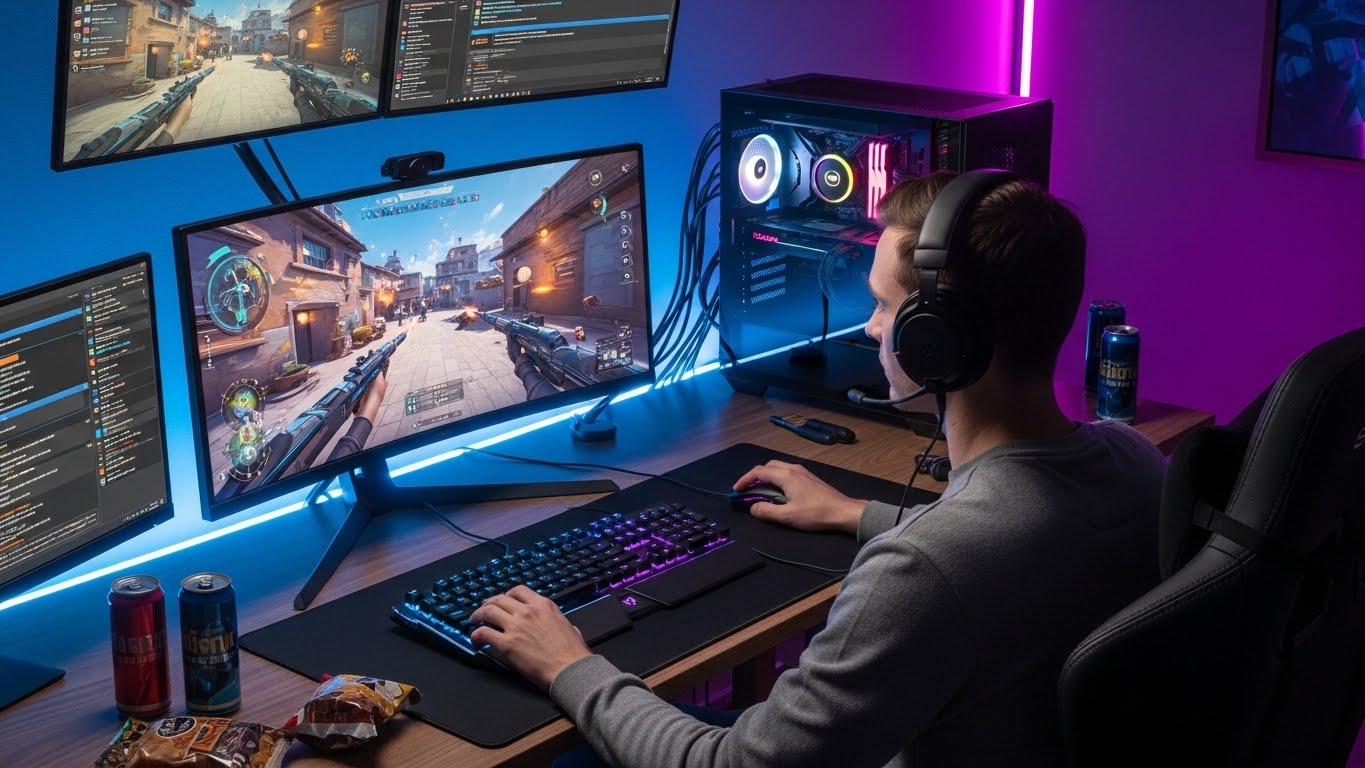

Introduction: Gaming as More Than Just a Hobby
Gaming has evolved from a niche pastime into a multi-billion-dollar global phenomenon. Once considered a hobby for children and tech enthusiasts, it is now an integral part of modern culture that transcends age, geography, and background. From mobile games played on commutes to immersive virtual reality experiences that transport players to fantastical worlds, gaming offers entertainment, social connection, and personal growth. The industry’s growth is not only measured in revenue but also in its cultural impact, shaping how people interact, learn, and engage with stories.
The Evolution of Gaming: From Pixels to Immersion
The history of gaming is a journey of technological innovation. Early video games were simple, with blocky graphics and basic mechanics. Yet even then, they captured players’ imaginations. Over the decades, advancements in hardware, software, and graphics have transformed gaming into a fully immersive experience. Today, gamers can explore realistic landscapes, control complex narratives, and interact with players worldwide. Gaming has shifted from a solitary activity to a dynamic social experience, providing both escapism and meaningful engagement.
Gaming Platforms: Diversity at Your Fingertips
One of gaming’s greatest strengths is its accessibility across multiple platforms. Consoles like PlayStation, Xbox, and Nintendo offer high-quality experiences with exclusive games that push storytelling boundaries. PCs provide unmatched customization and performance for competitive and creative players. Mobile gaming has made entertainment portable, allowing players to enjoy quick sessions on the go. Emerging platforms such as cloud gaming and virtual reality devices are expanding possibilities further, making gaming more immersive and inclusive than ever.
The Rise of Competitive Gaming and Esports
Competitive gaming has transformed from casual competitions into a professional, organized industry known as esports. Players now train rigorously, join professional teams, and compete in international tournaments with significant prize pools. Esports has built its own culture, complete with dedicated fans, commentators, and sponsorships. The appeal lies not only in watching skilled players perform but also in the sense of community and excitement surrounding competitions. For many, esports is no longer just a form of entertainment but a viable career path.
Storytelling in Games: Interactive Narratives
Unlike movies or books, games offer interactive storytelling where players’ choices shape outcomes. Narrative-driven games provide deeply immersive experiences that allow players to explore characters, worlds, and moral dilemmas. From epic fantasy sagas to intimate, character-driven dramas, games are capable of evoking a wide range of emotions. Players become co-authors of the story, which creates a sense of agency and personal connection unlike any other medium. This interactivity elevates storytelling and makes gaming a unique cultural force.
Social Connectivity Through Gaming
Gaming is increasingly a social activity. Multiplayer games and online communities allow people to collaborate, compete, and communicate in real time. Friendships are forged through shared victories, late-night raids, and cooperative missions. Gaming has become a way to connect with others across the globe, breaking down cultural and geographical barriers. Social features such as voice chat, guilds, and shared online spaces create a sense of belonging, turning entertainment into community.
The Psychological Benefits of Gaming
Contrary to outdated stereotypes, gaming offers multiple cognitive and psychological benefits. Strategic games enhance problem-solving skills, decision-making, and critical thinking. Puzzle games and role-playing adventures improve memory, attention, and creativity. Multiplayer games foster teamwork, communication, and leadership abilities. Even casual gaming provides stress relief, offering a way to relax, unwind, and temporarily escape the pressures of daily life. For many, gaming serves as both entertainment and personal growth.
Gaming and Technology: Pushing Boundaries
Technological innovation drives the evolution of gaming. Advances in graphics, physics engines, artificial intelligence, and virtual reality have transformed how players interact with digital worlds. Virtual reality offers fully immersive experiences, letting players step inside game worlds with unmatched realism. Augmented reality blends gaming with real-life environments, creating interactive experiences in everyday settings. Artificial intelligence enables smarter game design, more adaptive opponents, and dynamic storytelling, making games feel alive and responsive.
Indie Games: Creativity Beyond Big Studios
While blockbuster games dominate headlines, indie games are reshaping the industry with innovation and artistry. Independent developers often take creative risks, experimenting with unconventional gameplay, unique art styles, and thought-provoking narratives. Indie games show that storytelling and gameplay are not limited by budgets or marketing, allowing players to discover fresh experiences that challenge expectations. These smaller projects enrich the gaming ecosystem and highlight the medium’s potential for creativity.
Gaming and Cultural Impact
Gaming is more than entertainment; it has become a cultural phenomenon. Iconic characters, worlds, and franchises influence fashion, music, art, and film. Cosplay communities, fan art, and gaming conventions demonstrate how games inspire creativity beyond screens. Gaming references have seeped into mainstream culture, affecting language, memes, and shared social experiences. As a cultural force, gaming reflects societal values, challenges norms, and sparks conversations, proving its relevance in modern life.
The Economics of Gaming: From Casual to Billion-Dollar Industry
The gaming industry is one of the fastest-growing sectors globally. Revenue comes from console sales, mobile apps, subscriptions, downloadable content, and esports tournaments. Microtransactions, digital marketplaces, and in-game purchases allow developers to monetize experiences continuously. The industry’s financial growth has enabled innovation, provided employment for millions, and created new avenues for entrepreneurship. Gaming is no longer a mere hobby but a cornerstone of the global entertainment economy.
Education and Serious Gaming
Games are increasingly being used for educational purposes and professional training. Serious games, simulations, and educational apps use gamification to make learning interactive and engaging. Players develop skills such as critical thinking, resource management, and strategic planning while immersed in gameplay. Beyond schools, companies use gamified simulations to train employees, improve teamwork, and encourage problem-solving. This fusion of entertainment and education highlights gaming’s potential beyond leisure.
Addressing Misconceptions About Gaming
Despite its growth and benefits, gaming still faces misconceptions. Critics often label it as a waste of time or blame it for social isolation. However, research and real-world experiences show that gaming can enhance cognitive skills, social connections, and creativity. The key is balance and mindful engagement. Like any hobby or form of entertainment, gaming becomes a problem only when it interferes with responsibilities or personal well-being. In moderation, it offers enjoyment, learning, and social connection.
The Role of Community in Gaming
Communities play a pivotal role in shaping gaming experiences. Online forums, social media groups, fan clubs, and streaming platforms provide spaces for discussion, advice, and collaboration. Players share tips, celebrate achievements, and collaborate on creative projects. These communities transform gaming from a solitary activity into a shared culture, amplifying enjoyment and engagement. The sense of belonging and identity formed through these interactions strengthens the connection between players and their favorite games.
The Future of Gaming: Boundless Possibilities
The future of gaming is filled with exciting possibilities. Cloud gaming could eliminate hardware limitations, allowing seamless access to high-quality experiences anywhere. Virtual and augmented reality will continue to redefine immersion, making digital worlds indistinguishable from reality. Artificial intelligence will create adaptive storylines, smarter opponents, and personalized experiences tailored to individual players. The lines between gaming, social interaction, and entertainment will blur further, offering experiences that are more interactive, immersive, and inclusive than ever before.
Conclusion: Gaming as a Transformative Force
Gaming has grown far beyond its early beginnings as a niche hobby. It is now a cultural, social, and economic force that impacts lives, connects communities, and pushes the boundaries of technology and storytelling. Whether you are a casual mobile gamer, a competitive esports athlete, or an indie game enthusiast, gaming offers opportunities for entertainment, personal growth, and meaningful interaction. As technology and creativity continue to advance, the world of gaming will remain a vibrant and ever-evolving landscape, inviting players to explore, compete, and connect in ways never imagined before.