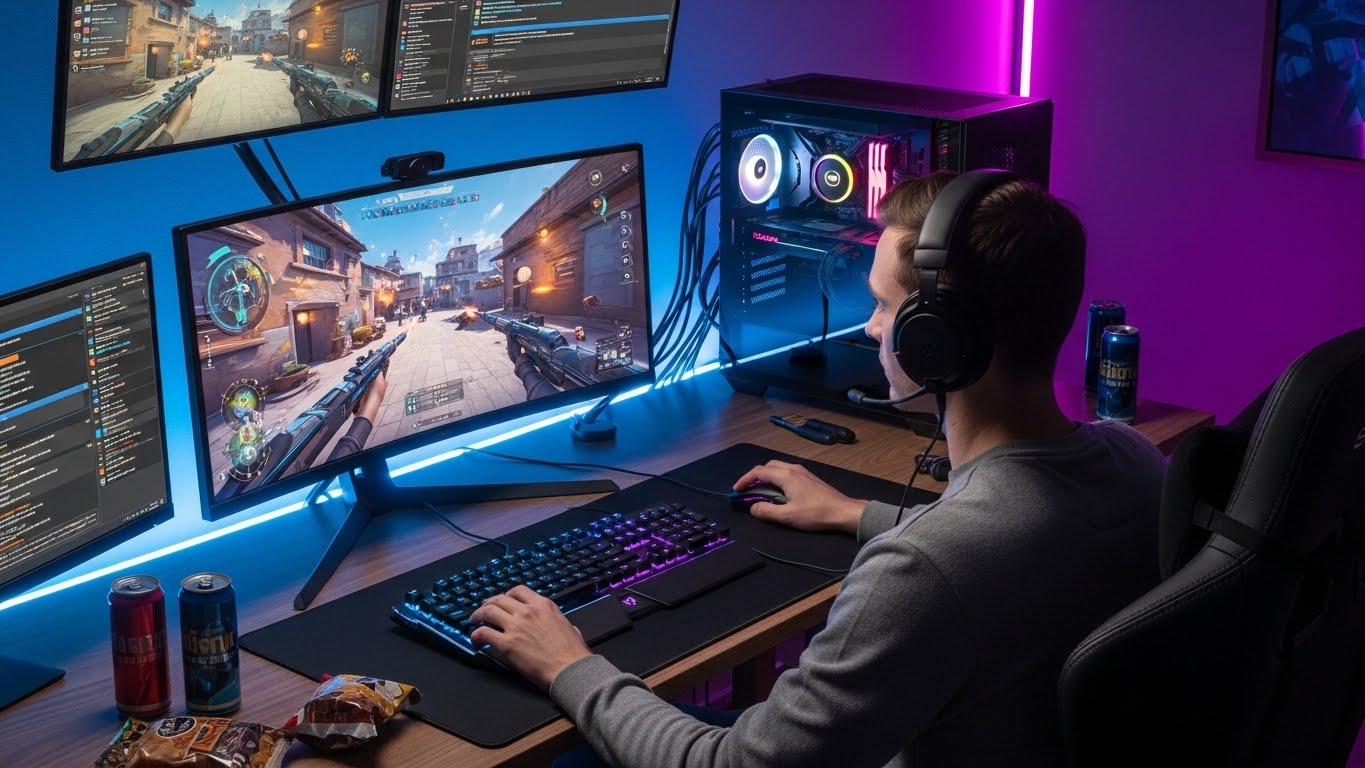
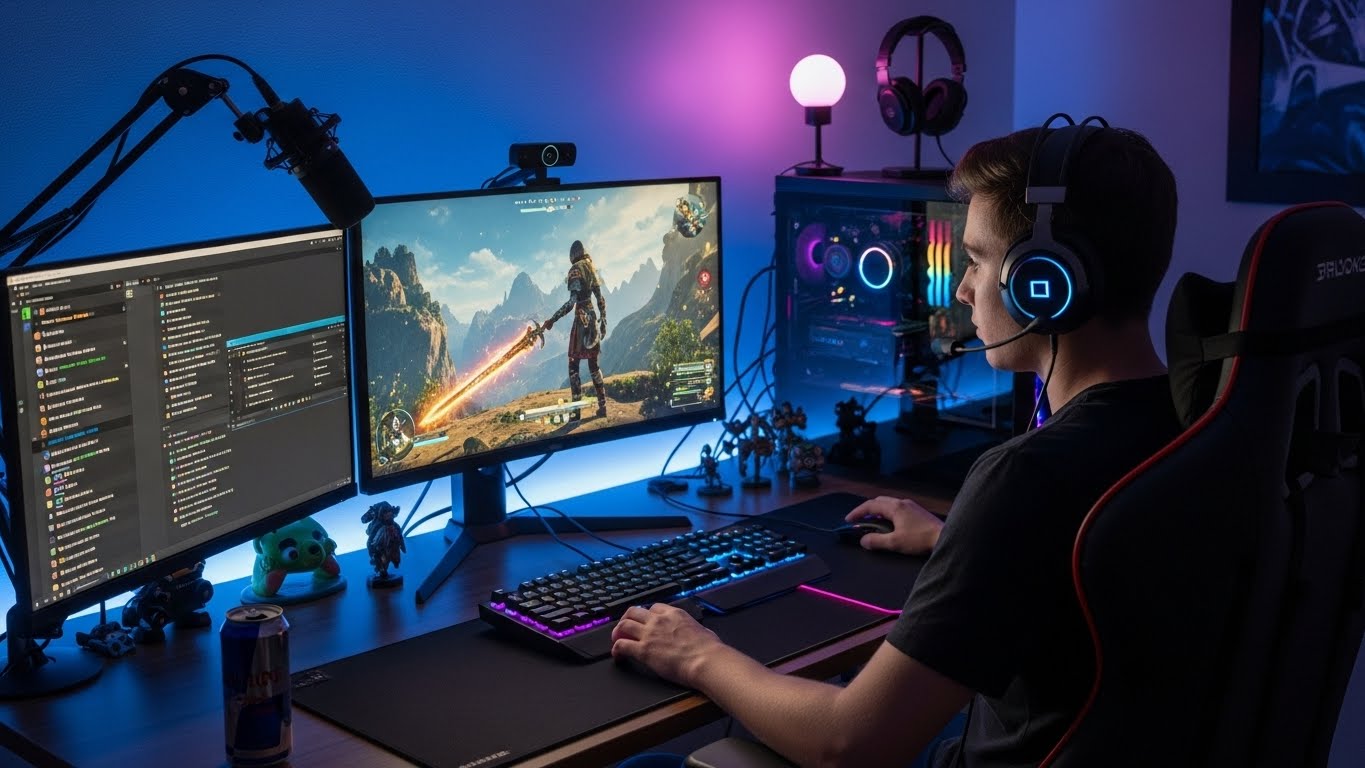
Gaming has evolved far beyond its humble beginnings as a simple form of entertainment. Today, it is a global cultural phenomenon that influences art, technology, education, and social interaction. From casual mobile games to immersive virtual reality experiences, gaming has reshaped the way people spend their leisure time, interact with others, and even develop skills. It is more than just fun—it is a platform for creativity, learning, and social engagement. This blog explores how gaming impacts our lives, its benefits, technological innovations, and the cultural movement it has created.
The Evolution of Gaming: From Pixels to Immersive Worlds
Gaming began with simple graphics, limited mechanics, and minimal storytelling. Classics like Pong, Space Invaders, and Pac-Man relied on imagination and creativity to engage players. Despite their simplicity, these early games sparked a cultural movement and laid the foundation for an industry that would eventually reach billions worldwide.
As technology advanced, games transformed into complex experiences with lifelike graphics, dynamic physics, and intricate storylines. Modern titles feature expansive worlds, realistic characters, and interactive narratives that allow players to influence the outcome of the story. Today, gaming combines art, storytelling, and technology to create immersive experiences that rival films and novels in both engagement and emotional impact.
Why Gaming Appeals to Everyone
Gaming’s universal appeal stems from its accessibility, social opportunities, and diversity of experiences. People of all ages, genders, and backgrounds find enjoyment and value in gaming.
Accessibility Across Devices
Gaming is now accessible on nearly every device, from smartphones and tablets to consoles and personal computers. Cloud gaming has removed hardware limitations, allowing even those with basic devices to enjoy high-quality games. This widespread accessibility has expanded the gaming audience globally.
Social Connection and Online Communities
Multiplayer games enable people to connect with friends and strangers worldwide. Online communities allow players to share strategies, discuss stories, and form friendships. Gaming has become a social platform where people collaborate, compete, and build meaningful relationships across geographical boundaries.
Variety of Game Genres
From action-packed shooters and strategy games to narrative-driven adventures and relaxing simulations, gaming offers a wide variety of experiences. This diversity ensures that there is something for everyone, whether a player seeks challenge, creativity, or storytelling.
Esports: Gaming as a Professional Arena
Esports has transformed competitive gaming into a legitimate profession and a global spectacle. Once limited to local tournaments, esports now attracts millions of viewers online and in stadiums worldwide. Professional players train rigorously, developing skills such as strategy, teamwork, communication, and quick decision-making, comparable to traditional sports.
Esports has also created new career opportunities beyond playing professionally. Gamers can become content creators, streamers, coaches, or analysts. The rise of esports demonstrates that gaming is not only entertainment but also a skill-based, respected field with global recognition.
Cognitive Benefits of Gaming
Gaming offers numerous cognitive benefits when approached responsibly.
Problem-Solving and Strategic Thinking
Many games challenge players to analyze situations, plan strategies, and make decisions quickly. Puzzle games, role-playing games, and strategy titles enhance critical thinking and decision-making skills, which are transferable to real-life problem-solving scenarios.
Improved Hand-Eye Coordination and Reflexes
Fast-paced games require precision, timing, and coordination. These activities strengthen hand-eye coordination, improve reaction times, and enhance multitasking abilities, offering benefits that extend beyond gaming itself.
Creativity and Innovation
Games that involve world-building, character customization, and storytelling foster creativity. Players experiment with design, explore imaginative scenarios, and develop innovative solutions. Gaming encourages artistic expression and creative problem-solving in engaging, interactive ways.
Social Skills and Teamwork
Multiplayer games often emphasize teamwork and communication. Players develop leadership skills, learn to negotiate, collaborate effectively, and resolve conflicts, all within the context of gameplay. These experiences contribute to stronger interpersonal skills in real life.
Storytelling in Gaming: Immersion Like No Other
Interactive storytelling is one of the most compelling aspects of gaming. Unlike books or films, games allow players to actively participate in the narrative, making decisions that influence the story’s outcome.
Modern games explore complex themes such as morality, friendship, courage, and personal growth. Players engage with the story on a deeper level, forming emotional connections with characters and events. This interactivity enhances empathy, critical thinking, and engagement, creating a storytelling experience that is unique to the medium of gaming.
Gaming as a Creative Outlet
For many players, gaming serves as a platform for creativity and self-expression. Creative modes allow players to design characters, build environments, and craft interactive stories. Sandbox games, in particular, encourage experimentation, innovation, and problem-solving.
Some gamers even pursue careers in game design, animation, or digital content creation, inspired by the creativity sparked through gameplay. Gaming has evolved into a tool for nurturing imagination, artistic expression, and technical skills simultaneously.
Technological Innovations in Gaming
Gaming continues to evolve due to technological advancements that redefine how games are developed and experienced.
Realistic Graphics and Physics
Modern game engines create detailed environments, lifelike characters, and realistic physics. Advanced lighting, textures, and animations make virtual worlds immersive and believable, enhancing the player’s sense of presence.
Artificial Intelligence
AI plays a crucial role in enhancing gameplay. It governs non-player character behavior, adapts challenges based on player skill, and enables dynamic narratives. Intelligent AI ensures games remain engaging, challenging, and unpredictable.
Virtual and Augmented Reality
Virtual reality immerses players in fully interactive three-dimensional worlds, while augmented reality overlays digital content onto real environments. These technologies provide unique and immersive experiences that expand the possibilities of gaming as a medium.
The Cultural Impact of Gaming Communities
Gaming communities have become central to digital culture. Players share experiences, discuss strategies, and create fan content, influencing broader trends in fashion, music, and media.
Belonging to a gaming community fosters identity and connection. Players form friendships, find mentorship, and gain inspiration from others. These communities demonstrate that gaming is not just an individual activity but a cultural phenomenon that connects people worldwide.
Responsible Gaming and Balance
While gaming offers numerous benefits, maintaining a healthy balance is essential. Excessive gaming can negatively affect physical health, social relationships, and mental well-being. Setting time limits, taking regular breaks, and combining gaming with other activities ensures a positive and enriching experience.
Parents and guardians can guide younger players toward age-appropriate content and establish responsible gaming habits. When approached mindfully, gaming enhances creativity, social skills, and cognitive development without adverse effects.
The Future of Gaming
The future of gaming is exciting, driven by technological innovation and creative exploration. Cloud gaming will make high-quality experiences accessible on virtually any device. Advanced AI will enable adaptive and personalized gameplay, while hyper-realistic graphics and immersive virtual worlds will push the boundaries of interactivity.
Games will continue to merge with social, educational, and entertainment platforms, creating experiences that are more interactive, engaging, and meaningful. Gaming will remain a cultural force, connecting communities, fostering creativity, and redefining how people play, learn, and interact.
Conclusion: Gaming as a Medium for Growth and Connection
Gaming has grown into more than a pastime—it is a medium that nurtures creativity, strengthens cognitive skills, fosters social interaction, and delivers immersive storytelling experiences. From casual mobile players to professional esports athletes, gaming impacts millions of lives worldwide.
It is a platform that encourages imagination, collaboration, and learning while connecting people across cultures and geographies. As technology evolves, gaming will continue to shape entertainment, education, and culture, offering endless opportunities for connection, creativity, and personal growth.
Gaming is no longer just play—it is a transformative experience that elevates the way we interact with digital worlds and with each other.