Introduction: The Evolution of Gaming
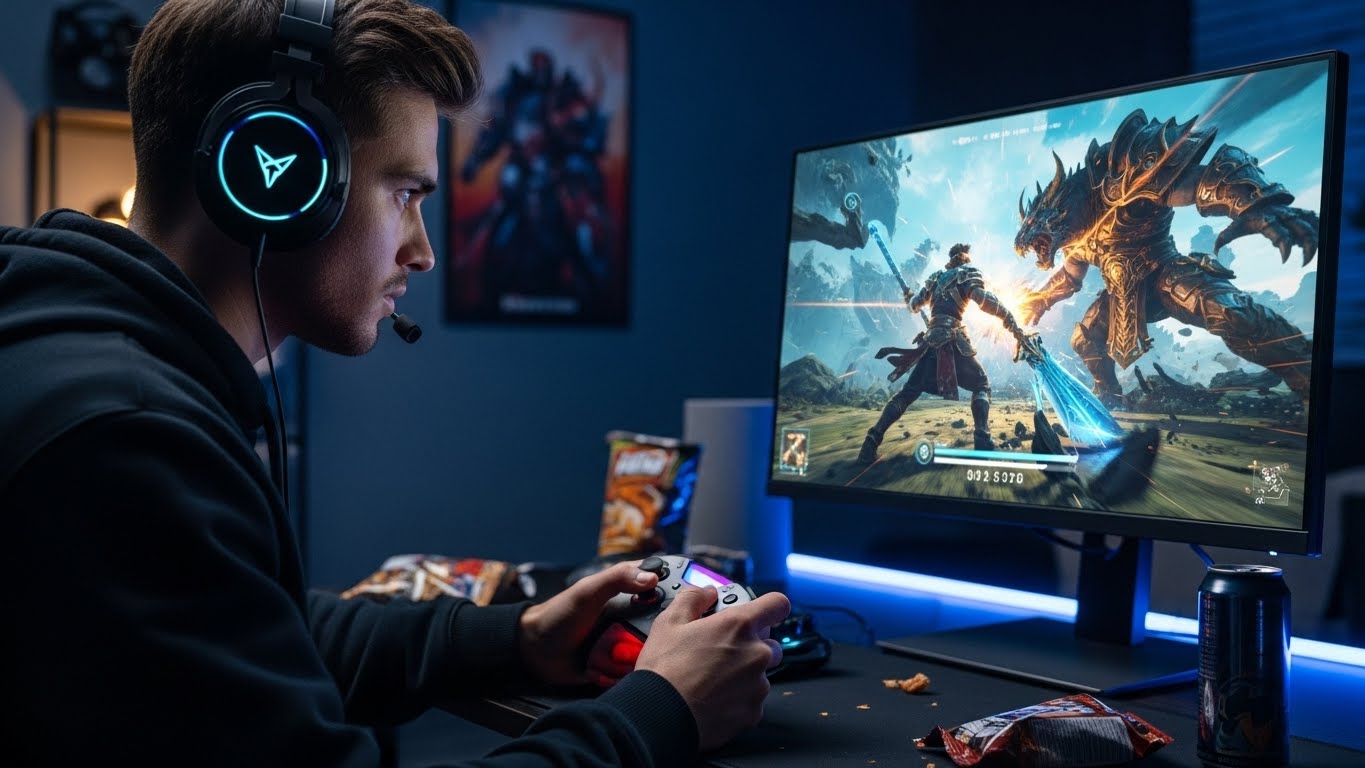
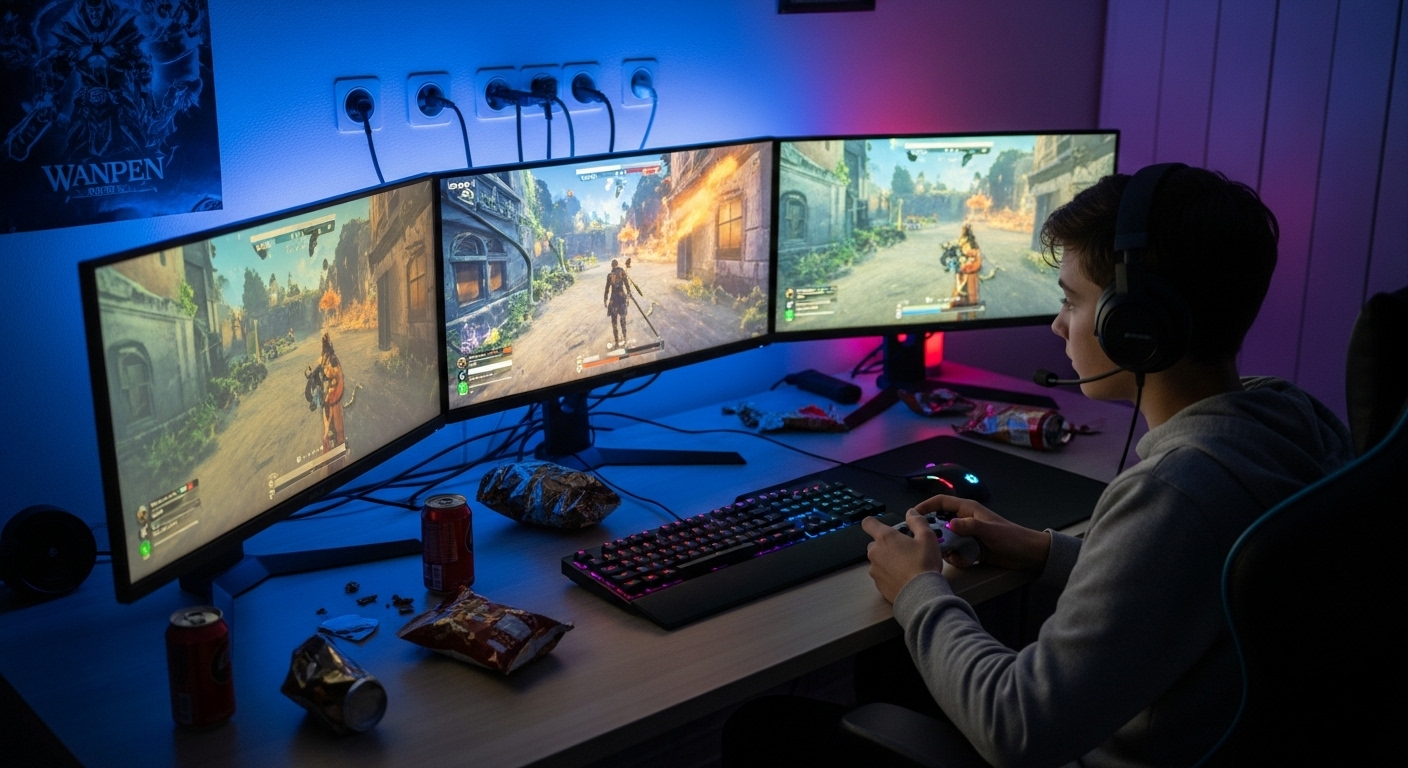
Gaming has evolved from a niche hobby into a cultural and technological phenomenon that defines modern entertainment. What was once a simple pastime involving pixelated graphics and basic gameplay has transformed into a multi-billion-dollar industry filled with immersive worlds, competitive esports, and a global community of players. The growth of gaming reflects not just advancements in technology but also a shift in how people interact, learn, and express creativity. Today, gaming is more than entertainment—it’s an ecosystem where technology, art, and innovation converge.
The Early Days of Gaming
The journey of gaming began in the 1970s and 1980s when arcade machines and home consoles brought interactive entertainment to the public. Games like Pac-Man, Space Invaders, and Super Mario Bros. became cultural icons, laying the foundation for the future of interactive media. These early titles introduced gameplay mechanics that are still relevant today, such as scoring systems, progression, and character-based storytelling. The simplicity of early gaming was its strength, captivating audiences with challenge and imagination rather than complex visuals.
The Rise of Consoles and PC Gaming
As technology progressed, the 1990s saw the emergence of more powerful gaming consoles and the rise of personal computer gaming. Companies like Sony, Nintendo, and Sega revolutionized the industry with consoles that supported advanced graphics and storytelling. Meanwhile, PC gaming became popular among enthusiasts who sought customization, high performance, and innovative gameplay experiences. This era introduced genres such as real-time strategy, first-person shooters, and massive role-playing games, expanding the creative potential of developers and the expectations of players.
Online Gaming and the Birth of Communities
The late 1990s and early 2000s marked the dawn of online multiplayer gaming. With the internet becoming more accessible, players could now connect with others across the globe. Titles like Counter-Strike, World of Warcraft, and Runescape built virtual communities where cooperation, competition, and friendship flourished. Online gaming broke geographical barriers, creating social interactions that extended beyond the screen. Guilds, clans, and forums emerged, forming the backbone of modern gaming culture.
Mobile Gaming Revolution
The introduction of smartphones completely transformed the gaming landscape. Suddenly, gaming was no longer limited to dedicated consoles or high-end PCs. Mobile games such as Angry Birds, Candy Crush, and Clash of Clans reached millions of players worldwide, making gaming more inclusive than ever before. This accessibility encouraged a broader audience, from children to adults, to participate in gaming culture. Mobile gaming also introduced the concept of microtransactions and free-to-play models, reshaping the economics of the industry.
The Rise of Esports and Competitive Gaming
What began as friendly competition among friends has now grown into professional tournaments watched by millions. Esports has become a legitimate form of entertainment, complete with sponsorships, media coverage, and global championships. Games like League of Legends, Dota 2, and Valorant have turned players into athletes, teams into franchises, and competitions into global spectacles. Esports demands skill, strategy, and teamwork, earning recognition comparable to traditional sports. The growing audience for esports shows how gaming has matured into a serious cultural and professional pursuit.
The Role of Technology in Modern Gaming
Advancements in technology continue to push the boundaries of what is possible in gaming. Graphics have reached cinematic levels of realism, thanks to innovations like ray tracing, 4K resolution, and advanced motion capture. Virtual reality (VR) and augmented reality (AR) have opened new dimensions, allowing players to immerse themselves fully in digital environments. Artificial intelligence is now shaping dynamic storylines, smarter opponents, and adaptive gameplay experiences. Cloud gaming services are also changing the way people play by removing hardware limitations and enabling instant access to high-quality titles on any device.
Gaming as an Art Form
Beyond mechanics and technology, gaming has evolved into a form of artistic expression. Game developers are storytellers, visual artists, and composers rolled into one. Modern games such as The Last of Us, Red Dead Redemption, and Journey demonstrate that games can evoke deep emotions and explore complex human experiences. The fusion of music, art, and narrative in gaming creates an emotional resonance that rivals movies and literature. This artistic recognition has led to video games being featured in museums and discussed in academic settings as legitimate art forms.
Social Impact of Gaming
Gaming’s influence extends beyond entertainment—it affects education, socialization, and even mental health. Educational games have proven effective in teaching problem-solving, logic, and creativity. Multiplayer games foster communication skills and teamwork, while narrative-driven experiences enhance empathy by allowing players to see the world through different perspectives. However, it’s also important to acknowledge potential challenges such as addiction, toxicity, and the need for balanced screen time. When approached responsibly, gaming can be a powerful tool for connection and self-expression.
The Economic Power of the Gaming Industry
The global gaming industry now surpasses both the movie and music industries in revenue. With billions of players worldwide, gaming drives innovation in hardware, software, and digital services. Independent developers have also found success through digital platforms, proving that creativity can thrive outside large studios. The financial success of gaming has inspired cross-industry collaborations, from fashion brands launching virtual clothing lines to movie studios adapting popular game franchises into films and series. This economic ecosystem continues to grow, creating opportunities for careers in design, programming, marketing, and more.
Streaming and Content Creation
The advent of live streaming platforms has created a new wave of gaming celebrities. Streamers and content creators engage audiences by showcasing their gameplay, sharing tips, and entertaining viewers through their personalities. This interactive form of entertainment has redefined how people consume gaming content. Viewers no longer just play games; they watch others play, forming communities around shared interests. Streaming has also become a viable career, allowing individuals to monetize their passion while connecting with global audiences.
Inclusivity and Diversity in Gaming
One of the most positive developments in modern gaming is the growing emphasis on diversity and inclusivity. Game developers are creating characters and stories that reflect a wide range of cultures, identities, and experiences. Female gamers, who were once underrepresented, now form a significant portion of the gaming community. Accessibility features, such as customizable controls and visual aids, are ensuring that gaming can be enjoyed by people with disabilities. These advancements make gaming a more welcoming and universal experience for everyone.
The Future of Gaming
The future of gaming promises even more innovation and immersion. As artificial intelligence, virtual reality, and cloud computing continue to evolve, games will become more realistic, interactive, and personalized. The integration of blockchain and virtual economies may redefine digital ownership, allowing players to trade and create in-game assets with real-world value. Additionally, advances in haptic technology will make virtual environments feel tangible, further blurring the line between the physical and digital worlds. The coming years will likely see gaming merge with other sectors, such as education, fitness, and social media, expanding its influence across everyday life.
Conclusion: Gaming as the Language of the Digital Generation
Gaming has become the universal language of the digital generation—a blend of creativity, technology, and community. It is a medium where innovation thrives, where stories are told in new ways, and where people from all backgrounds can connect. As technology continues to evolve, gaming will remain at the forefront of cultural and digital transformation. What began as simple fun has grown into a force that shapes society, influences technology, and inspires the future. The world of gaming stands as a testament to human imagination, proving that play is not just a pastime—it is a reflection of progress, passion, and possibility.