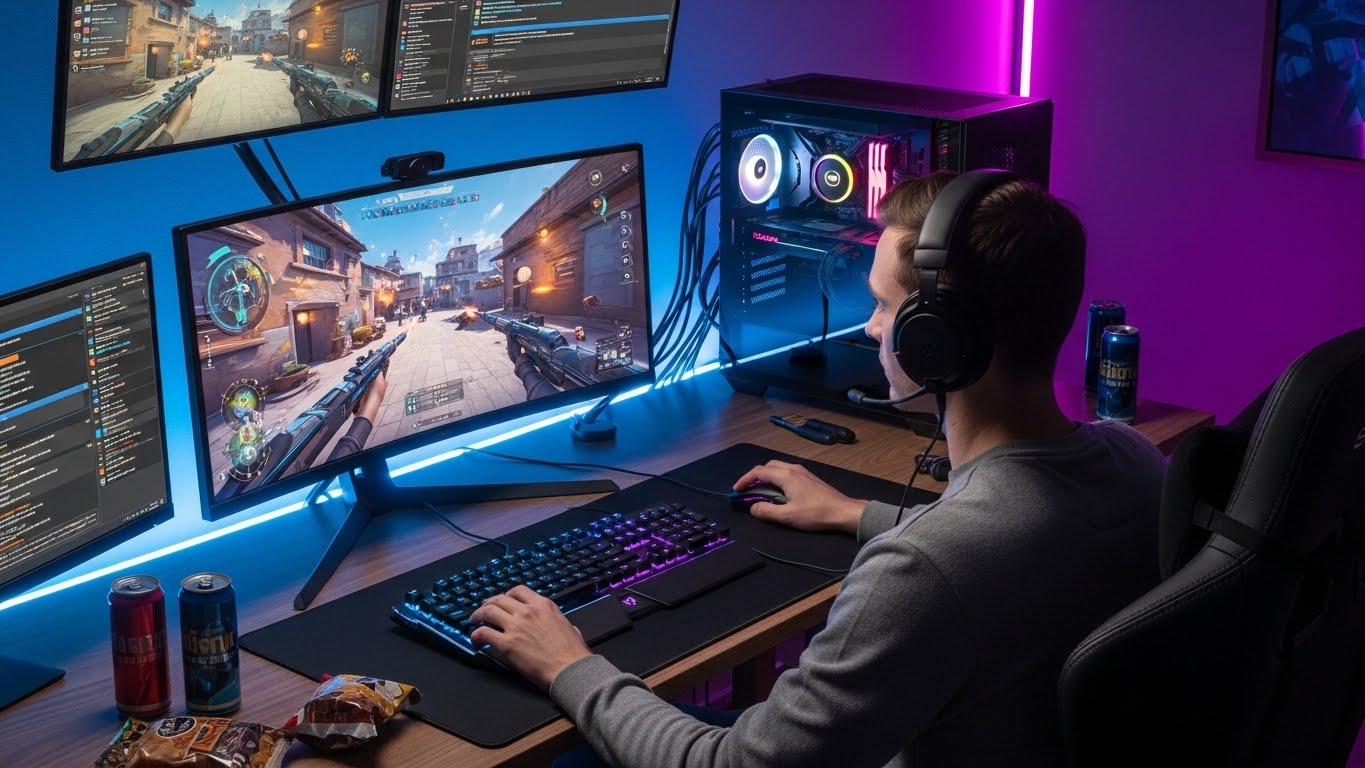
Introduction: A New Era of Interactive Worlds
Gaming has moved far beyond its early days of pixelated characters and simple objectives. It has grown into a global phenomenon that influences entertainment, culture, technology, and even education. Today, gaming is not just a hobby but an entire ecosystem—one that connects millions of players, fosters creativity, and pushes the boundaries of digital interaction. As the world becomes more connected, gaming continues to evolve at a rapid pace, reshaping how we socialize, learn, and experience stories.
The Transformation of Gaming Culture
There was a time when gaming was considered a niche interest, enjoyed by a small community. Fast-forward to the present, and gaming culture has seeped into mainstream life. From casual mobile players to professional esports athletes, the gaming community is diverse and widespread. This cultural shift is driven by accessibility. Games are available on consoles, PCs, smartphones, and even smart devices, making it easier than ever for anyone to join in. What was once seen as a pastime for kids is now a respected activity for people of all ages.
Technological Breakthroughs Driving Innovation
Modern gaming is heavily shaped by advancements in technology. High-performance graphics, powerful processors, and virtual environments have allowed developers to create increasingly immersive experiences. Graphics have evolved from blocky figures to detailed, lifelike worlds. Artificial intelligence has made non-player characters smarter. Cloud gaming has begun to replace the need for expensive hardware, allowing games to be streamed directly from servers. These innovations have opened new possibilities for developers and players alike, making modern games more dynamic, responsive, and visually stunning.
The Rise of Online Multiplayer Worlds
One of the most significant changes in gaming is the shift toward online play. Multiplayer online games have turned gaming into a shared experience. Players across the world can communicate, compete, and collaborate in real time. Online communities form around games, creating social networks that go far beyond the gameplay itself. These digital environments often serve as social hubs, where friendships are formed and teamwork is essential. This social element has transformed gaming into a truly global activity.
The Influence of Storytelling in Modern Games
Storytelling has become a cornerstone of modern game design. Developers craft complex narratives filled with emotional depth, moral choices, and memorable characters. Games now rival movies and books in their ability to tell gripping stories. The player is no longer just an observer but an active participant whose decisions can shape the plot. This interactive approach creates a unique form of engagement that traditional media cannot match. As narratives become richer, gaming continues to blur the line between entertainment and art.
Esports and Professional Gaming
Professional gaming, or esports, has exploded in popularity. Competitive gaming events draw millions of viewers and offer substantial prize pools. Players train rigorously, much like traditional athletes, and teams form with dedicated coaches, analysts, and sponsors. Esports has become a legitimate career path, inspiring younger players to dream of competing on global stages. This rise has also contributed to the overall development of gaming technology, broadcasting methods, and competitive game design.
Gaming as a Tool for Learning
Though often overlooked, gaming has powerful educational value. Many modern games are designed to improve problem-solving, creativity, and strategic thinking. Educational games help children learn subjects like math, science, and history in interactive ways. Simulations allow students to explore complex concepts through hands-on digital experiences. Even mainstream games offer lessons in decision-making, teamwork, and perseverance. This intersection of entertainment and education has the potential to transform how learning is approached in the future.
Mobile Gaming and Its Unstoppable Growth
Mobile gaming has become a dominant force in the industry. Smartphones have given billions of people access to gaming without the need for consoles or PCs. Mobile games offer convenient entertainment in short bursts, but many have evolved into complex, long-term experiences. This accessibility has widened the gaming audience significantly. Casual players and serious gamers alike enjoy the ease and portability of mobile titles, contributing to the continuous growth of this market.
Virtual Reality and the Future of Immersion
Virtual reality is one of the most exciting developments in gaming. VR allows players to step directly into digital environments and interact with them physically. This level of immersion creates entirely new gameplay possibilities and emotional experiences. While VR technology is still developing, its potential is enormous. As devices become more affordable and feature-rich, VR will likely play a major role in shaping the future of gaming.
Gaming as a Social Experience
Gaming today is as much about social interaction as it is about gameplay. Voice chat, messaging systems, and online networks allow players to stay connected no matter where they are. In many ways, gaming has become a place to hang out. Players form teams, compete together, or simply explore virtual worlds side-by-side. These interactions can create lasting friendships and offer a sense of community. The social aspect of gaming has helped many people feel connected, especially during times when face-to-face interaction is limited.
Creative Expression in Player-Driven Worlds
Many games now give players the freedom to create their own content. From building structures to designing levels and crafting characters, player creativity has become an integral part of the gaming experience. These creative tools allow players to personalize their gameplay and express themselves in unique ways. Some games have even become platforms for artists, storytellers, and designers to showcase their work. This creative freedom enriches gaming and leads to endless possibilities for innovation.
The Business Behind the Games
The gaming industry is enormous, generating billions in revenue each year. Developers, publishers, and independent creators all contribute to the ecosystem. With gaming’s rapid growth has come new economic models, such as in-game purchases, subscriptions, and digital marketplaces. Independent developers have also gained opportunities through digital distribution, allowing small teams to create successful games without the backing of large studios. This blend of creativity and business continues to drive the industry forward.
Challenges Facing the Gaming World
Despite its growth, the gaming industry faces challenges. Issues such as toxicity in online communities, privacy concerns, and harmful game design practices are topics of ongoing discussion. Developers and platforms are working to create safer, more inclusive environments. Additionally, the industry must balance innovation with accessibility to ensure that gaming remains welcoming for all players. Addressing these challenges is essential for the continued growth and positive impact of gaming.
The Future: Where Gaming Is Headed Next
As technology advances, the future of gaming looks incredibly promising. Artificial intelligence will make worlds more dynamic. Augmented reality will blend digital and physical spaces. Cloud gaming will remove hardware limitations entirely. Storytelling will grow more personal, adjusting to each player’s actions and preferences. With these advancements, gaming will continue to push boundaries and redefine digital entertainment.
Conclusion: A Living, Breathing Digital Universe
Gaming has evolved into a powerful medium that influences art, technology, education, and culture. It is no longer simply about winning or losing but about connection, creativity, and exploration. As games continue to evolve, they will remain a vital part of our digital lives, offering new ways to play, learn, and interact with the world. The story of gaming is still being written, and with every new innovation, players everywhere take part in shaping its future.