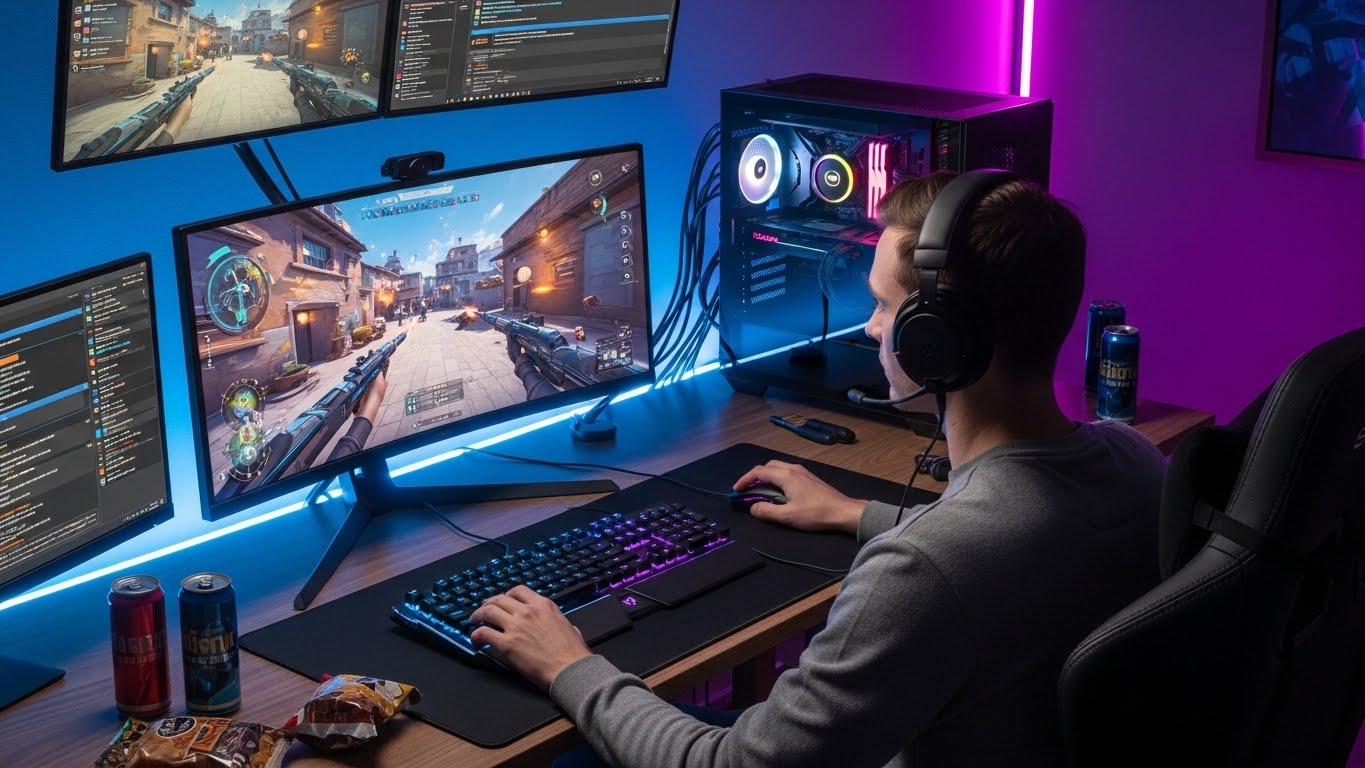

Gaming, once a niche hobby for a small group of enthusiasts, has evolved into one of the most popular forms of entertainment worldwide. From competitive eSports to immersive single-player experiences, the world of gaming offers a diverse array of experiences that cater to every interest, age group, and skill level. But what is it about gaming that continues to captivate millions, and why has it become an integral part of modern culture?
In this blog post, we’ll dive deep into the world of gaming, exploring its history, evolution, different genres, and why it has become such a prominent part of our lives. Whether you are a seasoned gamer or someone curious about entering the world of digital adventures, this guide will offer insights into the mechanics and culture that make gaming such a unique and compelling medium.
The Evolution of Gaming: From Pixelated Beginnings to Cutting-Edge Technology
When we think of the history of gaming, it’s hard not to remember the early days of arcade machines, pixelated graphics, and limited gameplay. The 1970s saw the birth of video games with pioneering titles like Pong, which introduced the concept of interactive entertainment. These early games were simple in design and were primarily found in arcades, where players could gather to compete for high scores.
However, as technology advanced, so did gaming. The 1980s and 1990s witnessed the rise of home consoles like the Atari, Nintendo Entertainment System (NES), and Sega Genesis. These systems brought gaming into people’s homes, introducing more complex titles and colorful, engaging worlds that players could experience from the comfort of their living rooms.
The turn of the 21st century saw even more impressive advancements in technology. The rise of 3D graphics, more powerful processing capabilities, and online connectivity transformed gaming into a multi-dimensional experience. The PlayStation 2, Xbox, and Nintendo Wii all brought new innovations that pushed the boundaries of gaming, offering stunning visuals, immersive storylines, and online multiplayer experiences.
Today, gaming is more than just a hobby; it’s a global phenomenon. With the advent of virtual reality (VR), augmented reality (AR), and cloud gaming, the industry continues to evolve at an exponential rate, offering players new ways to experience their favorite games. The gaming experience is now more realistic, interactive, and social than ever before.
The Various Genres of Gaming: Something for Everyone
One of the reasons gaming has become so popular is its wide variety of genres, each offering something different for every kind of player. Whether you love fast-paced action, strategic planning, or exploring vast virtual worlds, there’s a game out there for you.
Action Games
Action games are perhaps the most well-known and widely played genre. They typically feature fast-paced gameplay that requires quick reflexes and decision-making. Examples include Call of Duty, Fortnite, and Super Mario. These games often involve combat, obstacle courses, and high-stakes challenges that keep players on the edge of their seats.
Role-Playing Games (RPGs)
RPGs allow players to step into the shoes of a character and embark on epic quests in richly detailed worlds. Games like The Witcher 3: Wild Hunt, Skyrim, and Final Fantasy have made RPGs incredibly popular, offering deep storylines, character customization, and expansive open worlds to explore. RPGs often involve leveling up, completing quests, and making choices that impact the game’s narrative.
Simulation Games
Simulation games let players experience real-world activities in a virtual environment. Whether it’s managing a city in SimCity, running a farm in Stardew Valley, or flying a plane in Microsoft Flight Simulator, these games provide an immersive experience in a controlled, often relaxing setting. Simulation games are great for those who prefer slow-paced gameplay with a focus on strategy and management.
Sports and Racing Games
Sports enthusiasts and adrenaline junkies alike can enjoy sports and racing games, which offer the thrill of competition without leaving the house. Whether it’s FIFA, NBA 2K, or Gran Turismo, these games allow players to compete in virtual sports leagues, race cars, or participate in realistic sporting simulations.
Strategy Games
Strategy games test a player’s ability to think critically and plan ahead. These games involve managing resources, positioning units, and making tactical decisions to achieve victory. Games like StarCraft, Civilization, and Age of Empires fall into this category, offering both real-time and turn-based strategic experiences.
Horror Games
Horror games provide thrills, chills, and scares for players who enjoy a good fright. Games like Resident Evil, Silent Hill, and Outlast offer tense, atmospheric experiences where survival is the primary goal. These games often use psychological horror elements, jump scares, and creepy soundtracks to keep players on edge.
Multiplayer Online Battle Arenas (MOBAs)
MOBAs, such as League of Legends and Dota 2, have become incredibly popular, especially in the realm of competitive gaming. These games involve teams of players battling against each other in strategy-heavy, fast-paced matches. MOBAs require teamwork, skill, and coordination, making them highly engaging and competitive.
The Impact of Gaming on Society: Cultural Shifts and Global Communities
While gaming is undeniably fun, its impact extends far beyond the screen. Video games have shaped modern culture in significant ways, influencing art, music, and even social dynamics.
A New Form of Social Interaction
With the rise of online multiplayer games, gaming has evolved into a form of social interaction. Titles like World of Warcraft, Fortnite, and Minecraft have created virtual spaces where players can connect, chat, and collaborate with people from all over the world. For many, gaming has become a primary way to stay in touch with friends and meet new people.
Gaming has even led to the creation of massive online communities and streaming platforms like Twitch and YouTube Gaming. These platforms allow gamers to watch live broadcasts, participate in discussions, and learn new techniques from top players. The rise of influencers and content creators in the gaming world has helped make gaming a mainstream cultural phenomenon.
Esports: Competitive Gaming Goes Global
One of the most significant trends in the gaming industry in recent years is the rise of esports. Professional gaming has become a multi-billion-dollar industry, with players competing in tournaments for massive cash prizes. Games like League of Legends, Overwatch, and Fortnite have become esports staples, with tournaments attracting millions of viewers and sponsorships from major brands.
Esports has even led to the creation of scholarships and college programs, allowing players to pursue their passion for gaming while earning a degree. With the increasing recognition of esports as a legitimate sport, gaming has cemented its place in the global entertainment landscape.
Games as Art
Many critics and fans argue that video games are more than just a form of entertainment—they are a form of art. Games like The Last of Us, Journey, and Red Dead Redemption 2 have been praised for their storytelling, character development, and visual design. These titles explore complex themes, tackle social issues, and evoke deep emotions, blurring the line between traditional art forms and digital media.
The Future of Gaming: What Lies Ahead?
As gaming technology continues to evolve, the future of gaming looks incredibly promising. Virtual reality (VR) and augmented reality (AR) are expected to play a significant role in shaping the next generation of gaming experiences. With VR headsets becoming more affordable and accessible, players will be able to fully immerse themselves in virtual worlds, experiencing games in a way that was previously unimaginable.
Cloud gaming, which allows players to stream games without needing powerful hardware, is another exciting development. Services like Google Stadia, Microsoft’s Xbox Cloud Gaming, and Nvidia’s GeForce NOW are pushing the boundaries of what is possible in gaming, making high-quality titles accessible to a wider audience.
In addition to these technological advancements, we can expect further growth in the esports scene, with more tournaments, sponsorships, and mainstream media coverage. The gaming industry will continue to thrive, offering innovative experiences, new genres, and deeper connections for gamers around the world.
Conclusion: The Ever-Growing Appeal of Gaming
From humble beginnings in arcades to massive global tournaments, gaming has come a long way. It has transformed into a cultural force that shapes how we interact, compete, and entertain ourselves. With an abundance of genres, communities, and platforms, gaming offers something for everyone, regardless of age or experience level.
As technology continues to advance, the world of gaming will undoubtedly keep evolving, providing even more innovative and immersive experiences. Whether you’re playing solo, teaming up with friends, or competing in esports, there’s no denying that gaming has become an integral part of our digital lives.
So, whether you’re a casual gamer or a hardcore enthusiast, one thing is for sure: the world of gaming is here to stay, and it’s only getting bigger, better, and more exciting.