Introduction
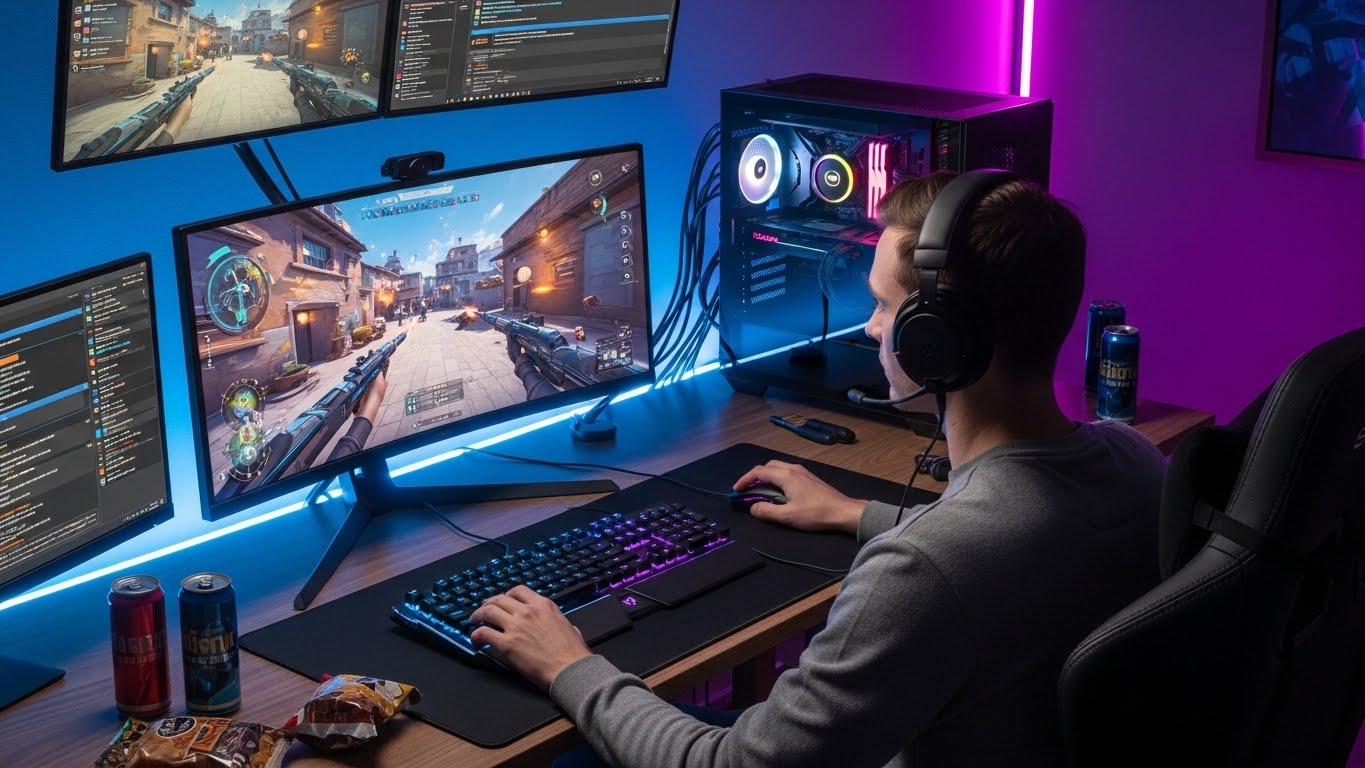
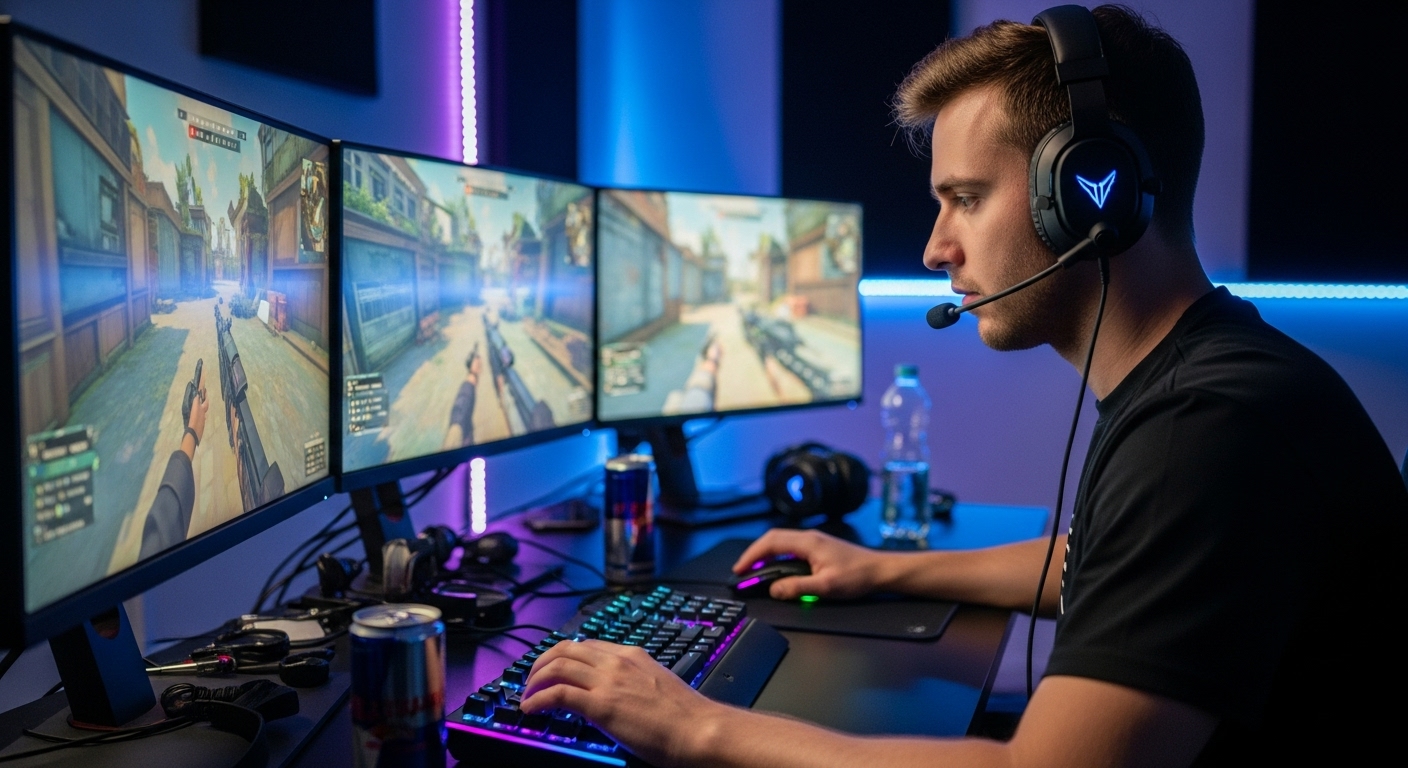
Gaming has grown from a niche hobby into a global cultural phenomenon. It is no longer just about entertainment; gaming now influences education, social interaction, technology, and even professional careers. From mobile games to immersive virtual reality experiences, gaming provides a dynamic way for people to connect, compete, and explore new worlds.
The Evolution of Gaming
The journey of gaming began with simple arcade machines and early console systems. Over the decades, technological advancements have transformed gaming into a multi-platform experience that spans consoles, computers, and mobile devices. Today, gaming incorporates high-definition graphics, realistic physics, and expansive narratives, offering players experiences that rival movies and literature in depth and engagement.
Gaming as a Cultural Phenomenon
Gaming is no longer confined to bedrooms and living rooms; it has become a major cultural force. Games influence music, art, fashion, and storytelling. Multiplayer and online games allow players to collaborate, compete, and form communities worldwide. The narratives, characters, and worlds created in games inspire creativity and imagination, shaping entertainment and culture in profound ways.
Esports: Gaming as a Profession
Esports has elevated gaming to a professional level. Competitive tournaments attract millions of viewers, and top players earn substantial incomes through sponsorships and prize money. Esports requires strategy, teamwork, and dedication, similar to traditional sports. It has created a new generation of professional gamers, streamers, and content creators who inspire fans worldwide.
The Role of Technology in Gaming
Technological innovation is at the heart of modern gaming. Advanced graphics engines, artificial intelligence, and immersive audio create lifelike experiences. Virtual reality and augmented reality bring players into the game world, while cloud gaming enables access to complex games without the need for expensive hardware. Technology continues to push the boundaries of what gaming can achieve.
Cognitive and Educational Benefits
Gaming is more than fun—it can enhance learning and cognitive development. Strategy and puzzle games improve problem-solving skills, memory, and critical thinking. Simulation games teach planning and decision-making, while cooperative games develop communication and teamwork skills. In educational settings, gamified learning engages students and makes complex subjects more accessible and enjoyable.
Social Connections Through Gaming
Modern gaming fosters social interaction and community building. Online multiplayer games allow players to connect with others globally, forming friendships and collaborative networks. Gaming conventions, tournaments, and streaming platforms provide spaces where fans share experiences, celebrate achievements, and bond over shared interests, creating a strong sense of belonging.
The Future of Gaming
The future of gaming promises innovation, accessibility, and immersion. Emerging technologies like artificial intelligence, virtual reality, and cloud-based platforms will transform gameplay, making it more personalized and interactive. Adaptive games will become inclusive for all ages and abilities, while esports and streaming will continue to grow as influential cultural forces.
Conclusion
Gaming has evolved far beyond simple entertainment—it shapes culture, enhances learning, and builds communities. It inspires creativity, teamwork, and resilience while providing endless opportunities for fun and exploration. From casual players to professional esports athletes, gaming is a medium that transforms lives and connects people across the globe, proving that play is a powerful force in the modern world.